November 22nd, 2026
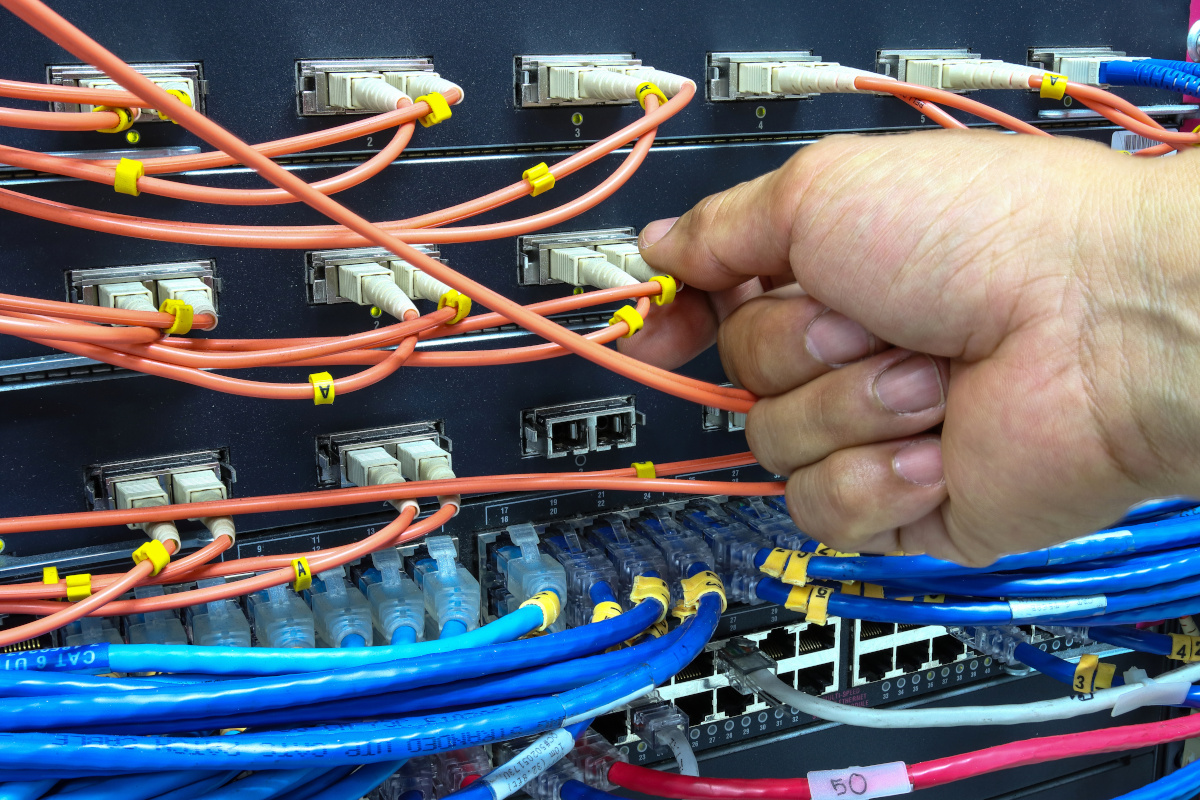
Cameras are only one part of CCTV. Bandwidth, PoE, VLANs, storage, and uplink capacity decide whether your footage is usable when it matters.
Read Full Story »
Posted in: Video Surveillance, Network Cabling
November 15th, 2026
Teams Phone can replace your business phone system, but licensing, number porting, E911, devices, and network readiness decide whether it works.
Read Full Story »
Posted in: Business Phone Systems
November 8th, 2026
MDR is more than antivirus with a dashboard. Here is what it actually detects, what it misses, and what response looks like in practice.
Read Full Story »
Posted in: Cyber Security
November 1st, 2026
In-house, outsourced, or co-managed IT: what each model really costs once loaded salaries, tools, coverage, turnover, and downtime are counted.
Read Full Story »
Posted in: Managed IT Services
October 22nd, 2026
Not every workload belongs in the cloud. Four tests - latency, data volume, compliance, and licensing - that tell you what to keep on-premises and what to move.
Read Full Story »
Posted in: Managed IT Services
October 15th, 2026
Downtime cost turns on the cause, not the duration. What hardware failure, ransomware, ISP, cloud, power, and human error each cost - and which to fix first.
Read Full Story »
Posted in: Cyber Security
October 13th, 2026
Leading MTSP Helps Block Email-Based Attacks, the Preferred Vector for Hackers. BIRMINGHAM, AL - BTS Technologies, Inc., a leading managed technology
Read Full Story »
Posted in: Cyber Security
October 8th, 2026
What CCTV systems actually cost: the five factors that drive the quote, owned versus subscription models, the recurring fees nobody mentions, and hidden traps.
Read Full Story »
Posted in: Video Surveillance
October 1st, 2026
Preventative IT maintenance costs explained: what drives pricing, the models you will see, hidden cost traps, and how to build a budget you can defend.
Read Full Story »
Posted in: Managed IT Services
September 22nd, 2026
Understanding the Real Investment in VoIP Technology. When businesses consider switching to Voice over Internet Protocol (VoIP) systems, the promise of cost
Read Full Story »
Posted in: Business Phone Systems
September 16th, 2026
Leading Managed Technology Services Provider (MTSP) Provides Innovative Technology to Transform and Enhance Processes. BIRMINGHAM, AL - BTS, a leading managed
Read Full Story »
Posted in: Managed IT Services
September 15th, 2026
The Hidden Cost of Waiting for Things to Break. For decades, businesses treated IT like plumbing - only calling for help when something broke. This 'break-fix'
Read Full Story »
Posted in: Managed IT Services
September 8th, 2026
The Critical Importance of Data Protection. Business data is the lifeblood of modern organizations. Customer information, financial records, intellectual proper
Read Full Story »
Posted in: Cyber Security
September 1st, 2026
The New Face of Phishing: When AI Becomes a Cybercriminal's Best Tool. Phishing emails used to be easy to spot. Poor grammar, suspicious sender addresses, and
Read Full Story »
Posted in: Cyber Security
August 29th, 2026
Understanding IT Compliance and Why It Matters for Your Business. For small to mid-sized businesses, IT compliance can seem like a daunting maze of regulations,
Read Full Story »
Posted in: Managed IT Services
August 20th, 2026
New Technology Helps Businesses Answer Every Call, Improve Customer Service, and Free Employees for Higher-Value Work. BIRMINGHAM, AL - BTS Technologies, Inc.,
Read Full Story »
Posted in: Business Phone Systems
August 15th, 2026
Understanding Cloud Solutions for Modern Business. The shift to cloud computing has fundamentally changed how businesses operate, store data, and collaborate.
Read Full Story »
Posted in: Managed IT Services
August 8th, 2026
The Growing Threat of Ransomware. Ransomware has evolved from a minor nuisance into one of the most dangerous cyber threats facing businesses today. These sophi
Read Full Story »
Posted in: Managed IT Services
August 6th, 2026
When businesses talk about human vulnerability, the conversation usually focuses on phishing emails, passwords, or digital security habits. That matters, but
Read Full Story »
Posted in: Managed IT Services
August 4th, 2026
When businesses run into serious problems, technology often gets blamed first. Sometimes that makes sense, but many operational headaches have less to do with
Read Full Story »
Posted in: Managed IT Services
August 2nd, 2026
When most businesses think about cybersecurity, their minds usually go straight to firewalls, antivirus, software patches, or ransomware. Those absolutely matte
Read Full Story »
Posted in: Managed IT Services
August 1st, 2026
Why IT Maintenance Is Critical for Your Business. Every business depends on technology to operate efficiently, yet many organizations overlook one of the most
Read Full Story »
Posted in: Managed IT Services
July 23rd, 2026
Leading MTSP Explains New Secure AI Platform for SMBs. BIRMINGHAM, AL - BTS Technologies, Inc., a leading managed technology services provider (MTSP), announced
Read Full Story »
Posted in: Cyber Security
July 22nd, 2026
Why CCTV Security Systems Are Essential for Modern Businesses. Business security has evolved far beyond simple door locks and alarm systems. CCTV security syste
Read Full Story »
Posted in: Video Surveillance
July 15th, 2026
The True Cost of Data Loss. When disaster strikes, businesses face a harsh reality: without proper data backup and disaster recovery systems in place, recovery
Read Full Story »
Posted in: Managed IT Services
July 10th, 2026
Leading MTSP Explains Why AI Behavior-Based Cybersecurity Outperforms Traditional Systems. BIRMINGHAM, AL - BTS Technologies, Inc., a leading Managed Technology
Read Full Story »
Posted in: Cyber Security
July 8th, 2026
Understanding VoIP Integration and Its Business Impact. Voice over Internet Protocol (VoIP) has transformed how businesses communicate, moving beyond simple
Read Full Story »
Posted in: Business Phone Systems
July 7th, 2026
Time keeps moving, whether businesses plan for it or not.. Equipment ages. Firewalls get older. Servers approach end-of-life. Switches degrade. Workstations
Read Full Story »
Posted in: Managed IT Services
July 6th, 2026
Internet service has quietly become one of those business essentials most people stop thinking about right up until it fails.. Funny enough, speed, availability
Read Full Story »
Posted in: Managed IT Services
July 5th, 2026
A few years back, we went to work right-sizing our vendors, and that process changed how we think about partnerships.. When it comes to sales, mentorship, or
Read Full Story »
Posted in: Managed IT Services
July 1st, 2026
Transforming Business Communication with Microsoft Teams. Microsoft Teams has evolved from a simple chat application into a comprehensive collaboration platform
Read Full Story »
Posted in: Managed IT Services
June 22nd, 2026
Moving Beyond Traditional Cybersecurity Measures. Most businesses have implemented basic cybersecurity measures—firewalls, antivirus software, and password
Read Full Story »
Posted in: Cyber Security
June 18th, 2026
When businesses think about continuity, technology usually gets the spotlight first. Backups. Internet redundancy. Cybersecurity. Hardware. All of them are
Read Full Story »
Posted in: Managed IT Services
June 15th, 2026
Understanding the True Cost of IT Support. Every business leader faces a critical decision: should you build an in-house IT department or partner with a managed
Read Full Story »
Posted in: Managed IT Services
June 11th, 2026
Cybersecurity insurance has become one of those things many businesses purchase, file away, and assume will protect them when disaster strikes. Just like how,
Read Full Story »
Posted in: Cyber Security
June 8th, 2026
Why Waiting for IT Problems to Occur Costs Your Business More. Most business owners understand the importance of regular maintenance for their physical assets—v
Read Full Story »
Posted in: Managed IT Services
June 4th, 2026
When most businesses hear 'business continuity,' they picture bad weather. Hurricanes. Tornadoes. Flooding. Maybe a power outage.. That makes sense, especially
Read Full Story »
Posted in: Managed IT Services
June 1st, 2026
Understanding IT Compliance in Modern Business. For many business leaders, IT compliance feels like navigating a maze of technical jargon, regulatory requiremen
Read Full Story »
Posted in: Managed IT Services
May 25th, 2026
Right now, many businesses are talking about AI like it is a single toolset or one broad category. It is not. That would be a little like saying every plumber,
Read Full Story »
Posted in: Cyber Security
May 22nd, 2026
Ransomware has evolved from a nuisance into an existential threat for businesses of all sizes. In 2025 alone, ransomware attacks increased by 97%, with the
Read Full Story »
Posted in: Managed IT Services
May 20th, 2026
BIRMINGHAM, AL - BTS Technologies, Inc., a leading Managed Technology Services Provider (MTSP), announced today the company has expanded their data discovery
Read Full Story »
Posted in: Cyber Security
May 18th, 2026
Spring cleaning used to mean changing old passwords, updating outdated software, and making sure backups were working. We still need to do that. Now we need to
Read Full Story »
Posted in: Cyber Security
May 15th, 2026
Protecting Your Business Investment with Professional Video Surveillance. Business security represents one of the most critical investments any organization can
Read Full Story »
Posted in: Video Surveillance
May 11th, 2026
Most business owners have heard of shadow IT. Employees download software they should not. Use personal devices. Sign up for tools without approval. All of
Read Full Story »
Posted in: Cyber Security
May 8th, 2026
The cloud has transformed how businesses operate, offering flexibility, scalability, and cost savings that were once only available to enterprise-level organiza
Read Full Story »
Posted in: Managed IT Services
May 4th, 2026
Artificial intelligence has already made its way into most businesses.. Not because leadership rolled out a strategy. Usually, because employees are finding
Read Full Story »
Posted in: Cyber Security
May 1st, 2026
Your business data represents years of customer relationships, financial records, intellectual property, and operational knowledge. Yet many companies operate
Read Full Story »
Posted in: Cyber Security
April 22nd, 2026
VoIP Integration With Microsoft Teams: Unifying Your Workplace. In the quest for seamless communication and collaboration, businesses are increasingly turning
Read Full Story »
Posted in: Business Phone Systems
April 20th, 2026
Leading MTSP to Acquire AI Strategies to Help Customers Improve Efficiency, Security, and Customer Experience. BIRMINGHAM, AL - BTS Technologies, Inc., a leadin
Read Full Story »
Posted in: Managed IT Services
April 15th, 2026
The Real Cost of IT Downtime: Why Proactive Maintenance is Your Best Investment. For many businesses, IT downtime is more than just a frustrating inconvenience—
Read Full Story »
Posted in: Managed IT Services
April 8th, 2026
Cybersecurity Beyond the Basics: Advanced Threat Protection for SMBs. Small and medium-sized businesses (SMBs) are increasingly becoming targets for cybercrimin
Read Full Story »
Posted in: Cyber Security
April 1st, 2026
As businesses increasingly rely on technology, the decision between managed IT services and in-house IT teams becomes crucial. This comprehensive cost-benefit
Read Full Story »
Posted in: Managed IT Services
March 23rd, 2026
Data is the lifeblood of organizations. From customer information and financial records to intellectual property and operational data, the information your
Read Full Story »
Posted in: Managed IT Services
March 19th, 2026
Leading MTSP Shares How Forward-Thinking Businesses Are Using AI to Eliminate Revenue Leakage, Operational Chaos, and Costly Human Error. BIRMINGHAM, AL - BTS
Read Full Story »
Posted in: Cyber Security
March 16th, 2026
Bridging the Gap Between Technology and Human Expertise. At BTS Technologies, we understand that true cybersecurity goes beyond algorithms and firewalls. The
Read Full Story »
Posted in: Cyber Security
March 9th, 2026
Your network is the lifeblood of your organization. From facilitating seamless communication to safeguarding sensitive data, a robust and secure network is
Read Full Story »
Posted in: Managed IT Services
March 2nd, 2026
The Cloud Revolution is Here to Stay. Cloud computing has fundamentally transformed how businesses operate, collaborate, and compete in today's digital economy.
Read Full Story »
Posted in: Managed IT Services
February 24th, 2026
The Evolution of Business Communication. In the ever-evolving landscape of business technology, one innovation stands out for its transformative impact on how
Read Full Story »
Posted in: Managed IT Services
February 17th, 2026
Closed-Circuit Television (CCTV) surveillance has come a long way since its inception. What was once a system of analog cameras connected to physical recording
Read Full Story »
Posted in: Video Surveillance
February 11th, 2026
Leading MTSP Introduces AI Acceptable Use Framework to Protect Organizations While Unlocking Productivity Gains. BIRMINGHAM, AL - BTS Technologies, Inc., a
Read Full Story »
Posted in: Cyber Security
February 10th, 2026
The Rising Tide of Cyber Threats. From sophisticated ransomware attacks to subtle data breaches, the risks to your organization's security, reputation, and
Read Full Story »
Posted in: Managed IT Services
February 3rd, 2026
The Power of Partnership in IT Management. Businesses are constantly seeking ways to optimize their IT operations. One approach that has gained significant
Read Full Story »
Posted in: Managed IT Services
January 22nd, 2026
The Rising Tide of Cyber Threats. Cyber threats are no longer a matter of 'if' but 'when.' As businesses increasingly rely on technology and data, the potential
Read Full Story »
Posted in: Cyber Security
January 17th, 2026
Enter TotalVoice, BTS Technologies' cutting-edge VoIP solution that's redefining how businesses connect, collaborate, and communicate. With our decades of exper
Read Full Story »
Posted in: Managed IT Services
January 8th, 2026
Leading MTSP Enhances Customer Profitability Above and Beyond Technology Solutions. BIRMINGHAM, AL - BTS Technologies, Inc., a leading managed technology servic
Read Full Story »
Posted in: Managed IT Services
January 7th, 2026
Your network is the backbone of your operations. From facilitating communication to enabling data transfers and supporting critical applications, a robust and
Read Full Story »
Posted in: Managed IT Services
January 2nd, 2026
Enter ACES Managed IT, a comprehensive solution designed to give your business the technological edge it needs to thrive. At BTS Technologies, we've developed
Read Full Story »
Posted in: Managed IT Services
December 20th, 2025
From customer information and financial records to proprietary research and operational data, the information stored in your company's systems is invaluable.
Read Full Story »
Posted in: Cyber Security
December 17th, 2025
Businesses of all sizes are increasingly reliant on digital technologies to operate, communicate, and innovate. While this digital transformation has brought
Read Full Story »
Posted in: Cyber Security
December 7th, 2025
As more companies embrace remote work and digital collaboration, the need for robust, flexible, and feature-rich communication solutions has never been greater.
Read Full Story »
Posted in: Managed IT Services
December 3rd, 2025
Businesses are constantly seeking ways to enhance efficiency, reduce costs, and stay ahead of the competition. Enter cloud computing - a revolutionary technolog
Read Full Story »
Posted in: Managed IT Services
November 20th, 2025
As technology evolves, so do the methods we use to protect our assets, employees, and customers. Enter the game-changer: Cloud-based CCTV surveillance. This
Read Full Story »
Posted in: Video Surveillance
November 19th, 2025
Leading MTSP Raises the Bar for All Technology Providers. BIRMINGHAM, AL - BTS, a leading managed technology services provider (MTSP), announced new initiatives
Read Full Story »
Posted in: Managed IT Services
November 17th, 2025
As technology continues to evolve, so do the tools we use to stay connected. One such revolutionary technology that has transformed the way businesses communica
Read Full Story »
Posted in: Business Phone Systems
November 5th, 2025
Cybersecurity threats have evolved from occasional nuisances to existential risks that can cripple organizations overnight. The statistics are sobering: in
Read Full Story »
Posted in: Managed IT Services
November 1st, 2025
Businesses face the constant challenge of managing their IT infrastructure effectively. While some opt for fully outsourced IT services and others maintain
Read Full Story »
Posted in: Managed IT Services
October 23rd, 2025
Data is the lifeblood of business. From customer information and financial records to proprietary research and operational data, the information your organizati
Read Full Story »
Posted in: Managed IT Services
October 16th, 2025
Technology plays a crucial role in driving success and maintaining a competitive edge. However, managing IT infrastructure can be complex, time-consuming, and
Read Full Story »
Posted in: Managed IT Services
October 6th, 2025
Understanding the Growing Need for Cyber Security Insurance. Businesses of all sizes face an ever-increasing threat from cyber attacks. As technology evolves,
Read Full Story »
Posted in: Cyber Security
October 2nd, 2025
As technology continues to advance, companies are seeking innovative solutions to streamline their communication systems, improve efficiency, and reduce costs.
Read Full Story »
Posted in: Business Phone Systems
September 20th, 2025
A robust and reliable network infrastructure is the backbone of any successful organization. However, maintaining optimal network performance and security can
Read Full Story »
Posted in: Managed IT Services
September 16th, 2025
With cyber threats evolving at an alarming rate, organizations need robust strategies and reliable resources to protect their digital assets. One such valuable
Read Full Story »
Posted in: Cyber Security
September 4th, 2025
Effective communication is more crucial than ever. It's the lifeline that connects your team, your clients, and your entire operation. But what if your current
Read Full Story »
Posted in: Business Phone Systems
September 3rd, 2025
Leading MTSP Pioneers New Technology to Advance Customers' Organization. BIRMINGHAM, AL - BTS, a leading managed technology services provider (MTSP), announced
Read Full Story »
Posted in: Cyber Security
September 1st, 2025
Organizations everywhere are looking for innovative ways to optimize their operations, bolster their defenses, and manage expenses effectively. BTS Technologies
Read Full Story »
Posted in: Managed IT Services
August 20th, 2025
Even the most talented internal IT teams can struggle to manage all aspects of an organization's tech infrastructure. Juggling daily support requests, security
Read Full Story »
Posted in: Managed IT Services
August 17th, 2025
Effective communication is the backbone of success. With the rise of remote work and distributed teams, Microsoft Teams has become an essential platform for
Read Full Story »
Posted in: Managed IT Services
August 4th, 2025
Effective communication is the cornerstone of success. As technology continues to evolve, so do the tools we use to connect with clients, colleagues, and partne
Read Full Story »
Posted in: Business Phone Systems, Managed IT Services
August 1st, 2025
Cybersecurity isn't just an IT concern - it's a business imperative. As cyber threats evolve and multiply, organizations of all sizes are realizing the need for
Read Full Story »
Posted in: Managed IT Services
July 25th, 2025
Understanding the Critical Link Between Data Protection and Business Survival. Did you know that a staggering 80% of companies that lose their data go out of
Read Full Story »
Posted in: Managed IT Services
July 21st, 2025
Your network isn't just infrastructure - it's the lifeblood of your operations. At BTS Technologies, we understand that effective network monitoring isn't simpl
Read Full Story »
Posted in: Managed IT Services
July 12th, 2025
BTS Technologies, Inc. Urges Business Owners to Prepare for October 14, 2025 and Avoid a Costly IT Crisis. BIRMINGHAM, AL ‐ BTS, a leading managed technology
Read Full Story »
Posted in: Managed IT Services
July 7th, 2025
As technology advances, so do the methods employed by those who seek to compromise your business's safety and assets. At BTS Technologies, we understand the
Read Full Story »
Posted in: Video Surveillance
July 4th, 2025
Leading MTSP Proactively Conducts Website Audits to Enhance Cybersecurity. BIRMINGHAM, AL ‐ BTS a leading Managed Technology Services Provider (MTSP), is taking
Read Full Story »
Posted in: Cyber Security
July 2nd, 2025
Businesses need more than just functional technology - they need IT solutions that drive growth, ensure compliance, and empower their teams. Enter ACES Managed
Read Full Story »
Posted in: Managed IT Services
June 19th, 2025
Effective communication isn't just important—it's essential. As workplaces evolve and remote work becomes more prevalent, having a reliable, flexible, and featu
Read Full Story »
Posted in: Business Phone Systems
June 16th, 2025
In an era where cybersecurity threats continue to evolve at an alarming pace, small to mid-sized businesses (SMBs) often find themselves caught between increasi
Read Full Story »
Posted in: Cyber Security, Managed IT Services
June 8th, 2025
The Evolution of IT Management. The increasing complexity of technology, cybersecurity threats, and the need for continuous innovation have made it difficult
Read Full Story »
Posted in: Managed IT Services
June 2nd, 2025
The Rising Tide of Cyber Threats. From sophisticated ransomware attacks to subtle data breaches, the digital realm has become a battlefield where the stakes are
Read Full Story »
Posted in: Cyber Security, Managed IT Services
May 28th, 2025
Leading MTSP Implements MultiFactor Authentication, which 72% of Organizations Lack. BIRMINGHAM, AL ‐ BTS, a leading managed technology services provider (MTSP)
Read Full Story »
Posted in: Cyber Security
May 19th, 2025
As more companies embrace remote work and digital collaboration, the need for robust, versatile communication tools has never been greater. Enter TotalVoice+,
Read Full Story »
Posted in: Managed IT Services
May 16th, 2025
From customer information and financial records to proprietary research and operational data, the information stored on your systems is invaluable. But what
Read Full Story »
Posted in: Managed IT Services
May 6th, 2025
The Dawn of a New Communication Era. As technology continues to evolve, so do the ways we connect with colleagues, clients, and partners. Enter Voice over Inter
Read Full Story »
Posted in: Managed IT Services
May 3rd, 2025
The Ever-Evolving Threat Landscape. From sophisticated ransomware attacks to stealthy data breaches, the digital landscape is fraught with peril. As technology
Read Full Story »
Posted in: Cyber Security, Managed IT Services
April 19th, 2025
From critical data transfers to customer communications, every aspect of your business relies on a robust and secure network infrastructure. But how can you
Read Full Story »
Posted in: Managed IT Services
April 16th, 2025
From customer information to financial records, critical documents to operational data, the information stored on your company's systems is invaluable. But what
Read Full Story »
Posted in: Managed IT Services
April 10th, 2025
Technology Assurance Group Gathers Top Managed Technology Services Providers to Discuss the Future of Cloud IT, Cybersecurity, and Business Innovation. BIRMINGH
Read Full Story »
Posted in: Managed IT Services
April 4th, 2025
The Cloud Revolution. Businesses are constantly seeking ways to enhance efficiency, reduce costs, and stay ahead of the competition. Enter cloud computing – a
Read Full Story »
Posted in: Managed IT Services
April 1st, 2025
Technology plays a crucial role in driving success and maintaining a competitive edge. However, managing complex IT infrastructures can be a daunting task for
Read Full Story »
Posted in: Managed IT Services
March 20th, 2025
The Ever-Evolving Threat Landscape. In today's digital age, cybersecurity threats are becoming increasingly sophisticated and persistent. Businesses of all
Read Full Story »
Posted in: Cyber Security
March 17th, 2025
The Evolution of Business Communication. Effective communication isn't just important - it's critical for success. As organizations increasingly embrace digital
Read Full Story »
Posted in: Managed IT Services
March 6th, 2025
The Digital Battlefield. In an era where digital transformation is no longer optional but essential, businesses face an ever-evolving landscape of cyber threats
Read Full Story »
Posted in: Cyber Security
March 3rd, 2025
The ACES Advantage. Businesses are constantly seeking innovative ways to optimize their IT infrastructure while maintaining a competitive edge. Enter ACES Co-Ma
Read Full Story »
Posted in: Managed IT Services
February 23rd, 2025
You invested in the latest security software and even hired a great IT team. However, one misstep by an unsuspecting employee and a wrong click on a malicious
Read Full Story »
Posted in: Cyber Security
February 18th, 2025
Effective communication is more crucial than ever. As companies adapt to remote work, hybrid models, and global collaboration, the need for reliable, feature-ri
Read Full Story »
Posted in: Managed IT Services
February 15th, 2025
Data is the lifeblood of businesses. From customer information to financial records, critical operations rely on the integrity and availability of data. However
Read Full Story »
Posted in: Managed IT Services
February 9th, 2025
When you think about cybersecurity, your mind might jump to firewalls, antivirus software or the latest security tools. But let's take a step back—what about
Read Full Story »
Posted in: Cyber Security
February 6th, 2025
Why VoIP is the Future of Business Telephony. Effective communication is more critical than ever. As technology continues to evolve, so do the ways we connect
Read Full Story »
Posted in: Business Phone Systems
February 4th, 2025
Leading Managed Technology Services Provider Guides Small to Mid-Sized Businesses Through an Innovative Technology Budget and Roadmap Process. BIRMINGHAM, AL -
Read Full Story »
Posted in: Managed IT Services
February 3rd, 2025
The importance of robust cybersecurity cannot be overstated. As cyber threats evolve and multiply, businesses of all sizes find themselves in the crosshairs of
Read Full Story »
Posted in: Cyber Security
January 26th, 2025
Running a business is like being in the driver's seat of a high-performance car. It's fast-paced, competitive and full of passion. But even the best racecars
Read Full Story »
Posted in: Cyber Security
January 20th, 2025
Effective communication is more crucial than ever. As technology continues to evolve, so do the tools we use to connect with clients, colleagues, and partners.
Read Full Story »
Posted in: Managed IT Services
January 16th, 2025
Unleashing the Power of Flexible, Integrated, and Expert-Driven VoIP Solutions. Effective communication is the cornerstone of success in any business. As techno
Read Full Story »
Posted in: Managed IT Services
January 15th, 2025
Despite believing they were immune, a small law firm in Maryland fell victim to a ransomware attack. Similarly, an accounting firm in the Midwest lost all acces
Read Full Story »
Posted in: Cyber Security
January 6th, 2025
The Critical Need for Robust Cybersecurity. The importance of cybersecurity cannot be overstated. As businesses increasingly rely on technology to drive operati
Read Full Story »
Posted in: Cyber Security
January 4th, 2025
Leading Managed Technology Services Provider Demonstrates Highest Level of Expertise to Elevate Customer Success. BIRMINGHAM, AL ‐ BTS, a leading managed techno
Read Full Story »
Posted in: Managed IT Services
January 2nd, 2025
A robust and reliable network infrastructure is the backbone of any successful organization. At BTS Technologies, we understand that effective network monitorin
Read Full Story »
Posted in: Managed IT Services
December 20th, 2024
Leading Managed Technology Services Provider Accelerates Customer Productivity and Profitability. BIRMINGHAM, AL ‐ BTS a leading managed technology services
Read Full Story »
Posted in: Managed IT Services
December 19th, 2024
Technology has become an indispensable tool for businesses of all sizes. From streamlining operations to enhancing customer experiences, the right technology
Read Full Story »
Posted in: Managed IT Services
December 16th, 2024
In today's digital landscape, businesses are constantly seeking ways to streamline operations, enhance security, and reduce costs. At BTS Technologies, we under
Read Full Story »
Posted in: Managed IT Services
December 5th, 2024
In today's digital age, the threat of cyber attacks is more real and dangerous than ever before. From large corporations to small businesses, no one is immune
Read Full Story »
Posted in: Cyber Security
December 2nd, 2024
In today's fast-paced digital landscape, businesses of all sizes rely heavily on cloud-based productivity and collaboration tools like Microsoft 365. However,
Read Full Story »
Posted in: Managed IT Services
November 20th, 2024
In today's digital age, cyber threats are an ever-present reality for businesses of all sizes. From data breaches and malware attacks to phishing scams and
Read Full Story »
Posted in: Cyber Security
November 17th, 2024
As a business owner or manager, you lie awake at night worrying about protecting your critical data and keeping your operations running in the face of a potenti
Read Full Story »
Posted in: Cyber Security
November 6th, 2024
Leading MTSP Encourages Companies to Maximize Profits with Updated Tax Code Benefits. BIRMINGHAM, AL ‐ BTS, a leading managed technology services provider (MTSP
Read Full Story »
Posted in: Managed IT Services
November 4th, 2024
In today's rapidly evolving digital landscape, the demands on businesses to stay ahead of the curve are greater than ever before. Technology is advancing at an
Read Full Story »
Posted in: Managed IT Services
November 1st, 2024
In today's fast-paced business landscape, technology has become an indispensable ally, enabling organizations to streamline operations, enhance productivity,
Read Full Story »
Posted in: Managed IT Services
October 23rd, 2024
Cyber insurance is an invaluable tool in your risk management arsenal. Think of it as one of the many weapons you have against cyberthreats. However, there's a
Read Full Story »
Posted in: Cyber Security
October 19th, 2024
At BTS Technologies, we understand the critical role that efficient and reliable communication plays in the success of any business. Microsoft Teams has emerged
Read Full Story »
Posted in: Managed IT Services
October 16th, 2024
Imagine starting your day with a cup of coffee, ready to tackle your to-do list, when an email that appears to be from a trusted partner lands in your inbox. It
Read Full Story »
Posted in: Cyber Security
October 16th, 2024
In the ever-evolving digital landscape, where cyber threats are becoming increasingly sophisticated and pervasive, maintaining robust security measures is no
Read Full Story »
Posted in: Managed IT Services
October 10th, 2024
Leading Managed Technology Services Provider (MTSP) Is at the Forefront of Protecting the Region's Organizations. BIRMINGHAM, AL ‐ BTS a leading managed technol
Read Full Story »
Posted in: Cyber Security
October 10th, 2024
You might be thinking that you've done everything to protect your business from cyberthreats. You have the most advanced security solutions to defend against
Read Full Story »
Posted in: Cyber Security
October 4th, 2024
As BTS, we understand the importance of effective communication in the business world. In today's fast-paced environment, traditional phone systems are becoming
Read Full Story »
Posted in: Managed IT Services
October 1st, 2024
In today's digital landscape, where businesses rely heavily on interconnected systems and applications, network monitoring has become a critical necessity. At
Read Full Story »
Posted in: Managed IT Services
September 19th, 2024
In the ever-evolving landscape of business, effective communication has emerged as the cornerstone of success. At BTS, we understand that staying ahead in today
Read Full Story »
Posted in: Managed IT Services
September 17th, 2024
Whether you're a small business or a multinational corporation, your success hinges on the integrity and availability of critical data. Every transaction, custo
Read Full Story »
Posted in: Cyber Security
September 16th, 2024
In today's digital age, data is the lifeblood of businesses across all industries. From customer records and financial information to proprietary research and
Read Full Story »
Posted in: Managed IT Services
September 5th, 2024
Leading MTSP Enhances Communications for Local Organizations. BIRMINGHAM, AL ‐ BTS, a leading managed technology services provider, has announced their comprehe
Read Full Story »
Posted in: Business Phone Systems
September 5th, 2024
In the digital age, technology has become the backbone of modern business operations. Companies across industries rely on robust IT infrastructures to drive
Read Full Story »
Posted in: Managed IT Services
September 3rd, 2024
Imagine being the owner of the most popular coffee joint on the corner. Your loyal customers line up outside each morning, eager to grab their caffeine fix.
Read Full Story »
Posted in: Managed IT Services
September 2nd, 2024
In the ever-evolving digital landscape, cyber threats lurk around every corner, posing imminent risks to businesses of all sizes. From data breaches that can
Read Full Story »
Posted in: Cyber Security
August 19th, 2024
At BTS, we've always been at the forefront of innovation, harnessing the power of technology to revolutionize the way businesses operate. Today, we're thrilled
Read Full Story »
Posted in: Managed IT Services
August 16th, 2024
As a business owner, you understand the importance of data backup. You've set up regular backups of your critical data to an external hard drive or cloud storag
Read Full Story »
Posted in: Managed IT Services
August 9th, 2024
Leading MTSP Demystifies Cyber Risks and Gives SMBs Immediate Cybersecurity Roadmap to Security and Compliance. BIRMINGHAM, AL ‐ BTS a leading managed technolog
Read Full Story »
Posted in: Cyber Security
August 6th, 2024
In the fast-paced and ever-evolving world of modern business, technology has become an indispensable tool for success. However, managing and leveraging technolo
Read Full Story »
Posted in: Managed IT Services
August 2nd, 2024
If you're looking to take your Microsoft Teams experience to new heights, TotalVoice+ from BTS Technologies is the solution you've been waiting for. This innova
Read Full Story »
Posted in: Managed IT Services
July 20th, 2024
Managing IT for small teams can be a daunting task, often leading to resource constraints and operational inefficiencies. Introducing ACES Co-Managed IT from
Read Full Story »
Posted in: Managed IT Services
July 16th, 2024
In today's fast-paced and highly competitive business landscape, leveraging the right technologies has become imperative for organizations to thrive. As the
Read Full Story »
Posted in: Managed IT Services
July 4th, 2024
Compliance has emerged as a non-negotiable aspect of operations. With stringent regulations and standards governing various industries, ensuring adherence has
Read Full Story »
Posted in: Managed IT Services
July 3rd, 2024
Leading MTSP Takes a Proactive Approach to Securing Valuable Information. BIRMINGHAM, AL ‐ BTS, a leading managed technology services provider, has announced
Read Full Story »
Posted in: Managed IT Services
July 1st, 2024
In the wake of the COVID-19 pandemic, the workforce landscape has undergone a seismic shift. Remote work, once considered a privilege, has become a necessity
Read Full Story »
Posted in: Managed IT Services
June 21st, 2024
Data has become the lifeblood of businesses and organizations across diverse industries. From financial records and customer databases to proprietary informatio
Read Full Story »
Posted in: Managed IT Services
June 17th, 2024
Businesses rely heavily on their IT systems to drive operations, facilitate communication, and maintain a competitive edge. However, these systems are vulnerabl
Read Full Story »
Posted in: Managed IT Services
June 6th, 2024
In today's fast-paced digital landscape, businesses of all sizes are seeking innovative solutions to streamline operations, enhance collaboration, and drive
Read Full Story »
Posted in: Managed IT Services
June 4th, 2024
Technology Assurance Group Recognizes BTS Technologies for Superior Performance. BIRMINGHAM, AL ‐ BTS Technologies, Inc., a leading managed technology services
Read Full Story »
Posted in: Managed IT Services
June 3rd, 2024
The healthcare industry relies heavily on data and interconnected systems to deliver critical services and save lives. However, the sensitive nature of this
Read Full Story »
Posted in: Cyber Security
May 28th, 2024
As a Client Chief Information Officer (CIO) at BTS Technologies, I have a front-row seat to the rapidly changing world of cybersecurity. The landscape is evolvi
Read Full Story »
Posted in: Cyber Security
May 20th, 2024
In today's rapidly evolving business landscape, the role of Information Technology (IT) has become increasingly crucial for organizations of all sizes. However,
Read Full Story »
Posted in: Managed IT Services
May 16th, 2024
Voice over Internet Protocol (VoIP) is a technology that allows voice communications to be transmitted over the internet or a private data network. Unlike tradi
Read Full Story »
Posted in: Business Phone Systems
May 8th, 2024
Leading MTSP Utilizes Sophisticated Change Management and Inventory Asset Software to Keep SMBs Secure, Efficient and Profitable. BIRMINGHAM, AL ‐ BTS, a leadin
Read Full Story »
Posted in: Managed IT Services
May 7th, 2024
In today's rapidly evolving digital landscape, security has become a paramount concern for businesses of all sizes. With the increasing frequency and sophistica
Read Full Story »
Posted in: Cyber Security
May 3rd, 2024
In today's interconnected world, where digital technology permeates every aspect of our lives, the importance of cyber security cannot be overstated. A single
Read Full Story »
Posted in: Cyber Security
April 22nd, 2024
In today's fast-paced business environment, communication is the backbone of success. Voice over Internet Protocol (VoIP) has emerged as a fundamental tool for
Read Full Story »
Posted in: Business Phone Systems
April 17th, 2024
In the digital age, ensuring the safety and integrity of data has become paramount for individuals and businesses alike. Cloud security emerges as a key player
Read Full Story »
Posted in: Cyber Security
April 5th, 2024
Businesses rely heavily on technology to operate efficiently and effectively. Technology plays a pivotal role in nearly every aspect of modern business, from
Read Full Story »
Posted in: Managed IT Services
April 4th, 2024
Leading MTSP to Collaborate with Industry Thought Leaders at Technology Assurance Group's 23rd Annual Convention. BIRMINGHAM, AL ‐ BTS Technologies, Inc., a
Read Full Story »
Posted in: Managed IT Services
April 1st, 2024
Picture this: Your computer suddenly locks you out, and a sinister message pops up demanding a hefty ransom for the return of your precious data. Sounds like a
Read Full Story »
Posted in: Cyber Security
March 26th, 2024
Leading MTSP Educates Businesses on How to Harness the Power of AI. BIRMINGHAM, AL ‐ BTS, a leading managed technology services provider (MTSP), is reporting on
Read Full Story »
Posted in: Cyber Security
March 21st, 2024
In today's digital age, where data is a foundational asset for businesses and individuals alike, protecting this data becomes paramount. This is where data
Read Full Story »
Posted in: Cyber Security
March 18th, 2024
In the current dynamic commercial landscape, delivering outstanding customer service is paramount. Businesses are always in pursuit of new methods to engage
Read Full Story »
Posted in: Managed IT Services
March 4th, 2024
Every year, businesses face a staggering cost due to downtime, with figures reaching the billions globally. This isn't just about lost revenue; it's about erode
Read Full Story »
Posted in: Video Surveillance
March 1st, 2024
The efficiency and security of your network infrastructure are paramount to the success of your business. As technology evolves and cyber threats become increas
Read Full Story »
Posted in: Managed IT Services
February 19th, 2024
The business world is fast-paced and interconnected, and efficiency is key to staying competitive. As technology advances, embracing cloud solutions has become
Read Full Story »
Posted in: Managed IT Services
February 15th, 2024
Technology is not just a tool; it's the backbone that supports every business operation. As companies grow and expand, the complexity of managing their IT infra
Read Full Story »
Posted in: Managed IT Services
February 6th, 2024
Leading Managed Technology Services Provider (MTSP) Delivers Innovative 'Dual Claim Coverage' Model to Minimize Wait Time and Eliminate Hassle. BIRMINGHAM, AL ‐
Read Full Story »
Posted in: Cyber Security
February 5th, 2024
Organizations continually seek ways to enhance operational efficiency, reduce costs, and stay ahead of competition.. Recognizing the need for businesses to
Read Full Story »
Posted in: Managed IT Services
February 1st, 2024
In the ever-evolving landscape of cybersecurity threats, one malicious tactic stands out as a constant menace: phishing attacks. These deceptive maneuvers have
Read Full Story »
Posted in: Cyber Security
January 16th, 2024
Imagine making phone calls using the power of the internet instead of the traditional telephone lines. VoIP is like the rockstar of communication technology,
Read Full Story »
Posted in: Managed IT Services
January 10th, 2024
Leading Managed Technology Services Provider Drives Productivity and Employee Satisfaction. BIRMINGHAM, AL ‐ BTS, a leading managed technology services provider
Read Full Story »
Posted in: Managed IT Services
January 9th, 2024
The scope of IT services has significantly changed over recent years. The Modern-day IT landscape is more focused on business transformation than a point-by-poi
Read Full Story »
Posted in: Managed IT Services
January 2nd, 2024
Data backup and disaster recovery – these terms might sound like distant relatives in the tech family tree, but trust us, they are the dynamic duo you never
Read Full Story »
Posted in: Managed IT Services
December 21st, 2023
Hiring full-time IT staff can be costly and time-consuming, and finding qualified candidates can be difficult. On the other hand, relying on freelancers or
Read Full Story »
Posted in: Managed IT Services
December 18th, 2023
Cloud computing is a significant shift in how businesses view IT resources. It allows for the use of a hosted service that provides an online facility for data
Read Full Story »
Posted in: Managed IT Services
December 7th, 2023
In the fast-paced world of customer service, businesses are constantly seeking innovative solutions to enhance their contact center operations. Zultys, a leader
Read Full Story »
Posted in: Managed IT Services
December 4th, 2023
The digital revolution is taking the world by storm. Everyone depends on computerized systems for managing daily activities, from small to large organizations,
Read Full Story »
Posted in: Cyber Security, Managed IT Services
December 1st, 2023
Leading MTSP Highlights Tax Benefit for Equipment Purchases Before December 31st. BIRMINGHAM, AL ‐ BTS, a leading managed technology services provider, is advis
Read Full Story »
Posted in: Managed IT Services
November 20th, 2023
Networking is the key to modern business operations. With more digital business tools taking over, there is an evident need for a secure and reliable networking
Read Full Story »
Posted in: Managed IT Services
November 16th, 2023
According to research done by IDC, the amount of data created worldwide will reach 163 zettabytes by 2025, and only those businesses that can harness and proces
Read Full Story »
Posted in: Managed IT Services
November 14th, 2023
Leading MTSP Helps Organizations Benefit by Moving Their Network Into the Cloud. BIRMINGHAM, AL ‐ BTS, a leading managed technology services provider (MTSP),
Read Full Story »
Posted in: Managed IT Services
November 2nd, 2023
In the fast-paced world of business, staying competitive and efficient is essential. To achieve this, companies must harness the power of technology to boost
Read Full Story »
Posted in: Managed IT Services
November 1st, 2023
In an age where nearly every aspect of business is conducted online, cybersecurity has become an essential component of any company's operations, regardless of
Read Full Story »
Posted in: Cyber Security
October 19th, 2023
During the pandemic, many employees made the shift to remote working. The new reality included a tough schedule comprising making business calls around the
Read Full Story »
Posted in: Managed IT Services
October 16th, 2023
The COVID-19 pandemic has forced many companies to adapt to a remote work environment. While remote work has many benefits, supporting a remote workforce effici
Read Full Story »
Posted in: Managed IT Services
October 11th, 2023
Leading Managed Technology Services Provider Helps To Secure Organizations. BIRMINGHAM, AL ‐ BTS a leading Managed Technology Services Provider (MTSP), announce
Read Full Story »
Posted in: Cyber Security
October 4th, 2023
Over the past decade or so, the business world has become almost completely reliant on technology. With newer tech being implemented and business processes
Read Full Story »
Posted in: Managed IT Services
October 3rd, 2023
The need for strong cyber security measures cannot be emphasized in today's linked digital environment. With the increased frequency and advancement of cyber-at
Read Full Story »
Posted in: Cyber Security
September 18th, 2023
In today's fast-paced and highly competitive business environment, efficient and reliable information technology (IT) infrastructure is crucial for the success
Read Full Story »
Posted in: Managed IT Services
September 16th, 2023
Data is the lifeblood of businesses, fueling critical operations, decision-making processes, and customer interactions. Whether it's financial records, customer
Read Full Story »
Posted in: Managed IT Services
September 7th, 2023
Leading Managed Technology Services Provider (MTSP) Leverages Unified Communications & Integrated Contact Center to Strengthen Customer Relationships. BIRMINGHA
Read Full Story »
Posted in: Business Phone Systems
September 5th, 2023
We've always been told business is about numbers, right? Profits, losses, and growth percentages, but what if we told you it's as much about feelings, trust,
Read Full Story »
Posted in: Managed IT Services
September 1st, 2023
In an era where data breaches and cyber threats loom large, businesses are constantly seeking robust and reliable solutions to fortify their digital assets..
Read Full Story »
Posted in: Cyber Security
August 22nd, 2023
Leading Managed Technology Services Provider Leverages Big Data & Artificial Intelligence to Accelerate Customer Support with Predictive IT Models. BIRMINGHAM,
Read Full Story »
Posted in: Managed IT Services
August 21st, 2023
Cyber security dangers are a serious concern in today's quickly changing digital environment. Ransomware attacks and data breaches are two of the most frequent
Read Full Story »
Posted in: Cyber Security
August 18th, 2023
Downtime can wreak havoc on an organization's productivity, profitability, and reputation. Whether due to hardware failures, software glitches, or network issue
Read Full Story »
Posted in: Managed IT Services
August 2nd, 2023
Businesses and organizations today are faced with the critical task of protecting their sensitive data and ensuring the integrity of their IT infrastructure.
Read Full Story »
Posted in: Managed IT Services
August 1st, 2023
Communication plays a pivotal role in our personal and professional lives, and the advent of advanced technologies has revolutionized how we connect with others
Read Full Story »
Posted in: Managed IT Services
July 25th, 2023
In today's digital age, the healthcare industry has witnessed a remarkable transformation, with technological advancements revolutionizing patient care and
Read Full Story »
Posted in: Cyber Security
July 17th, 2023
In today's digitally driven world, businesses rely heavily on technology to streamline operations, enhance productivity, and maintain a competitive edge. Howeve
Read Full Story »
Posted in: Managed IT Services
July 11th, 2023
Leading Managed Technology Services Provider Enhances Productivity and Customer Service for Local Organizations. BIRMINGHAM, AL – BTS a leading Managed Technolo
Read Full Story »
Posted in: Business Phone Systems
July 3rd, 2023
In today's rapidly evolving technological landscape, businesses heavily rely on robust IT infrastructure to maintain productivity, drive innovation, and ensure
Read Full Story »
Posted in: Managed IT Services
July 1st, 2023
Many organizations have implemented a hybrid IT environment as an effective way to reduce the cost of maintaining a complex internal network. A hybrid IT enviro
Read Full Story »
Posted in: Managed IT Services
June 29th, 2023
Leading MTSP Provides Businesses with the Latest in Data Back Up Technology. BIRMINGHAM, AL – BTS, a leading Managed Technology Service Provider (MTSP), is
Read Full Story »
Posted in: Managed IT Services
June 17th, 2023
Effective communication is paramount to success in today's fast-paced and interconnected business landscape. As traditional phone systems become increasingly
Read Full Story »
Posted in: Business Phone Systems
June 16th, 2023
Cybersecurity is an integral part of running any business, regardless of its size. As technology advances and becomes more accessible, small businesses are
Read Full Story »
Posted in: Cyber Security
June 1st, 2023
Backup and disaster recovery (BDR) is critical to any business's IT infrastructure. It helps protect against data loss and other disasters that could potentiall
Read Full Story »
Posted in: Cyber Security
June 1st, 2023
Network monitoring is the process of tracking and managing all of the activities associated with a computer network, including data flows, performance levels,
Read Full Story »
Posted in: Cyber Security
May 23rd, 2023
Businesses today need to modernize their infrastructure if they want to keep up with the competition in an ever-evolving market. Modernizing your business infra
Read Full Story »
Posted in: Managed IT Services
May 22nd, 2023
Leading MTSP Helps Organizations Avoid Penalties Due to Poor Data Management Practices. BIRMINGHAM, AL – BTS, a leading managed technology services provider
Read Full Story »
Posted in: Managed IT Services
May 19th, 2023
Good communication and collaboration in the workplace is essential for productive, successful businesses. It can foster trust among colleagues, create stronger
Read Full Story »
Posted in: Business Phone Systems
May 10th, 2023
Phishing scams are one of the most common forms of cybercrime today and can be incredibly damaging. The internet has opened up a whole new world for scammers to
Read Full Story »
Posted in: Cyber Security
May 5th, 2023
Reserve IT is a system that helps organizations and businesses keep track of their Reserve IT from BTS is a system that helps organizations and businesses keep
Read Full Story »
Posted in: Managed IT Services
April 28th, 2023
The rise of COVID-19 has brought an unprecedented disruption to the way businesses operate, as many companies are now transitioning to remote models. As organiz
Read Full Story »
Posted in: Managed IT Services
April 24th, 2023
Cyber-attacks are becoming increasingly common as technology advances and more people are connected to the internet. Cyber-attackers can access personal data,
Read Full Story »
Posted in: Cyber Security
April 19th, 2023
Leading MTSP Combines Cyber Security Experts with State-of-the-Art Technology. BIRMINGHAM, AL – BTS, a leading managed technology services provider (MTSP) is
Read Full Story »
Posted in: Cyber Security
April 11th, 2023
Custom managed IT solutions are tailored to meet the unique needs of a business or organization. They offer customized services, such as custom system design
Read Full Story »
Posted in: Managed IT Services
April 3rd, 2023
Voice over Internet Protocol (VoIP) is a technology that allows users to make phone calls over the internet instead of through traditional telephone lines. It
Read Full Story »
Posted in: Managed IT Services
March 22nd, 2023
Microsoft cloud solutions are a set of technology-driven services that can help organizations store and access data, applications, and resources in the cloud.
Read Full Story »
Posted in: Managed IT Services
March 17th, 2023
As technology continues to develop, so does the potential for cyber security threats. With each new technological advancement comes a new wave of cyber security
Read Full Story »
Posted in: Cyber Security
March 14th, 2023
Leading MTSP Invited to Conference with Thought Leaders on Exceeding Customer Expectations. BIRMINGHAM, AL - BTS, a leading managed technology services provider
Read Full Story »
Posted in: Managed IT Services
March 10th, 2023
Managed IT solutions are comprehensive services that provide businesses with access to the latest information technology (IT) tools and resources. These solutio
Read Full Story »
Posted in: Managed IT Services
March 2nd, 2023
The advent of telecommunications has paved the way for better, more cost-effective communication solutions. One such feature is Voice over Internet Protocol or
Read Full Story »
Posted in: Business Phone Systems
February 24th, 2023
Eagle Eye Networks Cloud Video Surveillance provides businesses with access to a number of benefits. It offers businesses the ability to monitor their security
Read Full Story »
Posted in: Video Surveillance
February 17th, 2023
Healthcare organizations need cybersecurity. The healthcare industry is becoming more digital and, thus, a larger target for cyber-attacks. These attacks can
Read Full Story »
Posted in: Cyber Security
February 10th, 2023
Managed IT Services are professional services provided by an experienced team of Information Technology (IT) experts. These services provide organizations with
Read Full Story »
Posted in: Managed IT Services
February 7th, 2023
Leading MTSP Protects Small to Mid-Sized Businesses from Ransomware Attacks. BIRMINGHAM, AL - BTS, a leading managed technology services provider (MTSP), announ
Read Full Story »
Posted in: Cyber Security
February 2nd, 2023
IT support services are a set of professional activities that help organizations maintain the health and stability of their IT systems and networks. These servi
Read Full Story »
Posted in: Managed IT Services
January 27th, 2023
VoIP (Voice over Internet Protocol) is a modern communication technology that enables businesses to increase productivity. It is a method of making and receivin
Read Full Story »
Posted in: Business Phone Systems
January 20th, 2023
Leading Managed Technology Services Provider Helps Local Businesses Plan Ahead for Any Situation. BIRMINGHAM, AL - BTS a leading managed technology services
Read Full Story »
Posted in: Cyber Security
January 20th, 2023
Cybersecurity is an essential part of any organization but is often overlooked or ignored. When this happens, there are serious consequences that can put busine
Read Full Story »
Posted in: Managed IT Services
January 10th, 2023
Managed IT services are a type of IT service that is managed by an outside vendor or provider. This type of service allows businesses to outsource their IT
Read Full Story »
Posted in: Managed IT Services
January 4th, 2023
IT support services are a type of service that provides technical assistance to help organizations and individuals with their IT systems or software. This may
Read Full Story »
Posted in: Managed IT Services
December 28th, 2022
Backup and Disaster Recovery (BDR) solutions can provide many benefits to organizations, including improved data security, increased uptime, simplified server
Read Full Story »
Posted in: Managed IT Services
December 22nd, 2022
Leading MTSP Reminds Businesses to Act Soon Before December 31st Deadline. BIRMINGHAM, AL - BTS, a leading managed technology services provider (MTSP), is remin
Read Full Story »
Posted in: Managed IT Services
December 22nd, 2022
Essentials Care IT Solutions provides organizations with the solutions they need to protect their infrastructure and data. Every organization is unique and has
Read Full Story »
Posted in: Managed IT Services
December 15th, 2022
When it comes to staying competitive in the modern business world, having a reliable VoIP solution is essential. Unfortunately, many companies find that their
Read Full Story »
Posted in: Business Phone Systems
December 7th, 2022
The answer is simple: because technology has become essential to doing business in the modern world. Managed IT services provide your business with the support
Read Full Story »
Posted in: Managed IT Services
November 29th, 2022
There are several reasons why businesses should take cyber security seriously, and some of the many benefits they can gain include the following:. Protects your
Read Full Story »
Posted in: Cyber Security
November 18th, 2022
The modern workplace is evolving. With advances in technology, more and more employees are working remotely. According to a study by GlobalWorkplaceAnalytics.co
Read Full Story »
Posted in: Managed IT Services
November 10th, 2022
Leading MTSP Shares Why Email Is an Easy Way to Destroy a Company's Network. BIRMINGHAM, AL – BTS, a leading managed technology services provider (MTSP), recent
Read Full Story »
Posted in: Cyber Security
November 7th, 2022
Managed IT services can provide your organization with a number of important benefits. Perhaps most importantly, they can help to improve the overall efficiency
Read Full Story »
Posted in: Managed IT Services
November 1st, 2022
The majority of businesses these days rely on technology to some extent, and many are completely dependent on it. That means that when something goes wrong,
Read Full Story »
Posted in: Managed IT Services
October 17th, 2022
Leading Business Technology Provider Changes the Way Law Firms Communicate. BIRMINGHAM, AL – BTS Technologies, Inc., a leading provider of unified communication
Read Full Story »
Posted in: Business Phone Systems
October 13th, 2022
Data losses and the disasters preceding them can be distressing and costly. Even smaller data losses affecting 100 or fewer files will cost you lost revenue and
Read Full Story »
Posted in: Managed IT Services
October 12th, 2022
Businesses are adopting technology that benefits them by improving efficiency and reducing costs. We all know that communication is one of the most integral
Read Full Story »
Posted in: Business Phone Systems
October 11th, 2022
Undoubtedly, technological advancements have made work and everyday life so much easier. However, with increasing technology, the threat to the security of
Read Full Story »
Posted in: Cyber Security
October 5th, 2022
When the pandemic came around, it brought about many changes to our everyday life. Some of these changes have persisted, even as the world has shifted back into
Read Full Story »
Posted in: Managed IT Services
September 21st, 2022
Leading MTSP Shares How to Protect Businesses from Cybercrime. BIRMINGHAM, AL - BTS, a leading managed technology services provider (MTSP), is educating small
Read Full Story »
Posted in: Cyber Security
September 15th, 2022
The world has been relying more than ever on IT services to run their businesses and provide top-quality services to all aspects of society. Whether it's just
Read Full Story »
Posted in: Managed IT Services
August 24th, 2022
Considering how technology has massively changed, you would think businesses would generally take the right approach towards advancement. While many companies
Read Full Story »
Posted in: Managed IT Services
August 21st, 2022
The pandemic brought many changes, and many remained even after the world fought the viral disease. One such change was brought into the workforce: the shift
Read Full Story »
Posted in: Managed IT Services
August 16th, 2022
Leading MTSP Improves Communication Among Region’s Businesses. BIRMINGHAM, AL – BTS Technologies, Inc. a leading managed technology services provider (MTSP),
Read Full Story »
Posted in: Business Phone Systems
August 12th, 2022
While you might have taken the strongest measures to ensure that your house remains safe and no burglar enters it, have you done the same for your business?.
Read Full Story »
Posted in: Cyber Security
August 10th, 2022
Voice over Internet Protocol, or VoIP, has become a big name in the business industry, and why shouldn't it? This form of communication has provided several
Read Full Story »
Posted in: Business Phone Systems
July 25th, 2022
The world of technology is moving at a breakneck pace. Hence, with newer technologies and infrastructure rapidly moving in and evolving, it can be hard to keep
Read Full Story »
Posted in: Managed IT Services
July 17th, 2022
The world of technology has evolved majorly over the years. However, while technology has advanced, the risk of cyber-attacks has increased too. Businesses
Read Full Story »
Posted in: Cyber Security
July 12th, 2022
The post-pandemic world saw many changes compared to the life we were used to before the virus outbreak. One such change was in how we worked and the standard
Read Full Story »
Posted in: Managed IT Services
July 6th, 2022
Leading Managed Technology Services Provider Protects IT Networks that Rely on Apple/Mac Products. BIRMINGHAM, AL - BTS a leading managed technology services
Read Full Story »
Posted in: Managed IT Services
July 6th, 2022
If you searched the web for methods of the best telecom services, there are high chances that you came across the word VoIP – possibly how you were directed
Read Full Story »
Posted in: Business Phone Systems
June 28th, 2022
The pandemic brought about many changes in our lives, one of them being our working styles. While many people were used to working in the office with other
Read Full Story »
Posted in: Managed IT Services
June 17th, 2022
Cyber security helps safeguard your business against any potential attacks, malicious spyware, and data losses. With the continuous evolution of technology,
Read Full Story »
Posted in: Cyber Security
June 7th, 2022
Over the last decade, the use of VoIP (voice over internet protocol) has increased drastically. VoIP solutions have grown in popularity for many reasons, such
Read Full Story »
Posted in: Business Phone Systems
June 3rd, 2022
Leading MTSP Shares How Businesses Can Gain a Competitive Advantage with AI. BIRMINGHAM, AL – BTS a leading managed technology services provider (MTSP) is prepa
Read Full Story »
Posted in: Cyber Security
May 24th, 2022
Every business needs efficient technology to keep booming. However, in the present age, with the increasing technology, the number of setbacks and problems
Read Full Story »
Posted in: Managed IT Services
May 17th, 2022
Technology Assurance Group Recognizes BTS at Their 21st Annual TAG Convention. BIRMINGHAM, AL – BTS Technologies, Inc., a leading managed technology services
Read Full Story »
Posted in: Managed IT Services
May 9th, 2022
With the appearance of COVID-19 turned into a pandemic, the rhythm of life that we had for decades changed completely. The last two years were the years of
Read Full Story »
Posted in: Managed IT Services
May 3rd, 2022
Voice over Internet Protocol (VoIP) system has been a dominant part of small and large businesses, particularly for its flexibility and cost-effectiveness. VoIP
Read Full Story »
Posted in: Business Phone Systems
April 25th, 2022
Cyber security solutions are critical for all organizations, especially when you consider how critical digital and online technologies are to your day-to-day
Read Full Story »
Posted in: Cyber Security
April 13th, 2022
Pre-pandemic, the idea of flexible or remote working was on the rise. Nonetheless, it became a norm when the pandemic happened. This was the time when employers
Read Full Story »
Posted in: Managed IT Services
April 5th, 2022
Leading MTSP to Offer Their Technology Knowledge to Peers Around the U.S. and Canada. BIRMINGHAM, AL – BTS, a leading managed technology services provider (MTSP
Read Full Story »
Posted in: Managed IT Services
April 5th, 2022
If you run a small business, you will always look for ways to save time and money. Most business activities now take place on desktops, laptops, and mobile
Read Full Story »
Posted in: Managed IT Services
April 4th, 2022
New employees require substantial training in systems and processes. They likely have great skill at their position, but it doesn't mean they know how to transf
Read Full Story »
Posted in: Managed IT Services
April 4th, 2022
In October of 2021 BTS welcomed aboard Shawn Johnson. Shawn serves a dual role as our new accounts receivable clerk and warehouse management; taking over the
Read Full Story »
Posted in: Managed IT Services
April 4th, 2022
When turmoil and political upheaval wreak havoc half a world away, it is easy to think that your business is safe and sound here in America. Unfortunately, that
Read Full Story »
Posted in: Cyber Security
April 4th, 2022
Yep, that was me a couple of years ago. I got the company email saying that we would now have to 'authenticate' via mobile device to access our corporate system
Read Full Story »
Posted in: Managed IT Services
April 4th, 2022
BEST Relaunch. We are relaunching our BEST volunteer program after a short hiatus due to pandemic and the monumental effort put in for Computer 4 Kids. At the
Read Full Story »
Posted in: Managed IT Services
April 4th, 2022
To better serve you, our partners, and create more value BTS has made a few strategic changes. The biggest and most immediate items are VP Brian Wakefield takin
Read Full Story »
Posted in: Managed IT Services
March 29th, 2022
Small and Medium-sized companies have consistently been affected by the ever-changing and challenging market requirements, constantly evolving technologies,
Read Full Story »
Posted in: Managed IT Services
March 23rd, 2022
Communication is an integral part of any business, and using the right technology and tools can ensure the successful running of operations. Numerous organizati
Read Full Story »
Posted in: Business Phone Systems
March 16th, 2022
Leading MTSP Shares Most Common Cause of Cyberattacks and How to Secure Any Organization. BIRMINGHAM, AL – BTS a leading managed technology services provider
Read Full Story »
Posted in: Cyber Security
March 15th, 2022
Small and medium-sized business owners often choose to outsource their IT services for all the right reasons. Not only does it help them get instant access to
Read Full Story »
Posted in: Cyber Security, Managed IT Services
March 14th, 2022
One of the biggest changes that businesses experienced during the pandemic was the introduction of the hybrid or remote work model. Initially, it was introduced
Read Full Story »
Posted in: Managed IT Services
February 22nd, 2022
Cyber security helps safeguard your business against potential attacks, malicious spyware, and data losses. With the continuous evolution of technology, more
Read Full Story »
Posted in: Cyber Security
February 14th, 2022
Not all VoIP services are made equal, and we couldn't agree more. Therefore, it makes sense to research the market and look for features and service packages
Read Full Story »
Posted in: Business Phone Systems
February 7th, 2022
Everything humans do now is recorded in digital form, and this data may either be beneficial or harmful depending on how it is used. When it comes to the digita
Read Full Story »
Posted in: Cyber Security
February 3rd, 2022
BTS Leadership Recognized for Outstanding Achievement in Managed IT Services. BIRMINGHAM, AL – BTS Technologies, a leading managed technology services provider
Read Full Story »
Posted in: Managed IT Services
January 31st, 2022
Cyber security solutions are essential for businesses, especially given the importance of digital and internet technology in day-to-day functioning. Cybercrime
Read Full Story »
Posted in: Cyber Security
January 27th, 2022
Leading Managed Technology Services Provider Shares Significant Findings About IT Growth. BIRMINGHAM, AL – BTS, a leading managed technology services provider
Read Full Story »
Posted in: Cyber Security, Managed IT Services
January 24th, 2022
Managed IT Services have become more and more popular every year. Increasing productivity and creating relevant insights through data are two ways that technolo
Read Full Story »
Posted in: Managed IT Services
January 23rd, 2022
Healthcare companies continuously face cyber threats that increases the safety risk of their patient information. Unfortunately, many healthcare leaders view
Read Full Story »
Posted in: Cyber Security
January 13th, 2022
Successful partnerships last for years. These are only possible when you invest time and energy into finding the right service provider for your business. In
Read Full Story »
Posted in: Business Phone Systems
January 13th, 2022
Leading MTSP Increases Their Customers’ Productivity with New Microsoft Applications. BIRMINGHAM, AL – BTS a leading managed technology services provider (MTSP)
Read Full Story »
Posted in: Cyber Security
January 6th, 2022
Did you know that 96 percent of phishing attacks are carried via email? The other three percent are carried through phone or malicious websites. According to a
Read Full Story »
Posted in: Cyber Security
December 20th, 2021
Flexible work schedules have become more prevalent today. The pandemic forced many businesses to come up with better working solutions for employees, resulting
Read Full Story »
Posted in: Managed IT Services
December 10th, 2021
Cyber security is certainly a cause of stress for many business owners but it can protect them from data breaches that can otherwise cost them millions. In
Read Full Story »
Posted in: Cyber Security
December 2nd, 2021
Remote working is not a new concept but has gained significant visibility due to the COVID-19 pandemic. Rather than establishing strict policies, managing remot
Read Full Story »
Posted in: Managed IT Services
November 30th, 2021
With the ransomware epidemic still in full swing, and with no clear end in sight, many CEOs are still scratching their heads with decisions on how to secure
Read Full Story »
Posted in: Cyber Security
November 23rd, 2021
No matter your business scope, size, or industry, invest in cyber security audits routinely if you want to improve your company's security. Cyber security audit
Read Full Story »
Posted in: Cyber Security
November 9th, 2021
Are you a small or medium-sized business owner looking for breakthrough growth and a boost to business performance? Consider partnering with a managed IT servic
Read Full Story »
Posted in: Cyber Security, Managed IT Services
November 4th, 2021
Leading Managed Technology Services Provider to Share Business Expertise and Technology Foresight with Organizations Throughout the U.S. and Canada. BIRMINGHAM,
Read Full Story »
Posted in: Managed IT Services
November 1st, 2021
In the wake of the pandemic, employers across industries have given their employees the flexibility to work remotely. However, with the arrival of the COVID-19
Read Full Story »
Posted in: Cyber Security, Managed IT Services
October 27th, 2021
Due to the pandemic, many organizations have restructured how they work to adapt to the new norm and keep their business afloat. One of the changes includes a
Read Full Story »
Posted in: Managed IT Services
October 20th, 2021
Leading Managed Technology Services Provider Invests in Advanced Cybersecurity Tools. BIRMINGHAM, AL – BTS, a leading managed technology services provider (MTSP
Read Full Story »
Posted in: Cyber Security
October 15th, 2021
Whether you're starting your venture with limited resources or your business is in the growth stage, this is when you must consider managed IT services. This is
Read Full Story »
Posted in: Managed IT Services
October 7th, 2021
One of the top reasons for the massive popularity and high demand for VoIP solutions across industries is the sophistication of the call forwarding feature.
Read Full Story »
Posted in: Business Phone Systems
October 4th, 2021
Cybercrime is growing faster than you think. Did you know that there is a hacker attack every 39 seconds affecting one in three Americans annually? Also, 64
Read Full Story »
Posted in: Cyber Security
September 23rd, 2021
Due to ongoing technological advancements and new business challenges cropping up now and then, business owners need to ensure that they have the best technolog
Read Full Story »
Posted in: Business Phone Systems, Cyber Security, Managed IT Services
September 15th, 2021
Leading Managed Technology Services Provider Keeps SMBs Safe, Once Again. BIRMINGHAM, AL – BTS, a leading managed technology services provider (MTSP), recently
Read Full Story »
Posted in: Cyber Security
September 14th, 2021
Remote work has grown by 44 percent over the last five years and 91 percent over the decade. These statistics do not even include freelancers. They include
Read Full Story »
Posted in: Managed IT Services
September 8th, 2021
Employee Spotlight: Justin Lewis. Justin was brought onboard a few months ago, and was recently added to the Helpdesk rotation. He is already receiving high
Read Full Story »
Posted in: Managed IT Services
September 7th, 2021
Cybercrime is growing faster than you might think. The internet has become a space that is continuously being attacked by malicious links, viruses, and Trojans.
Read Full Story »
Posted in: Cyber Security
September 1st, 2021
Get Out of the Closet. Do you still have an old phone system with a controller in the closet? An old premise-based telephone system had fixed architecture. This
Read Full Story »
Posted in: Business Phone Systems
August 31st, 2021
As technology evolves, businesses across industries are looking for new, better, and advanced ways to do business and serve clients. And one such technology
Read Full Story »
Posted in: Business Phone Systems
August 25th, 2021
Technology is in a constant state of evolution. Hence, regardless of your business size or scope, you must manage your technologies proactively to stay abreast
Read Full Story »
Posted in: Managed IT Services
August 17th, 2021
As countless workers from all over the world telecommute for the first time ever, very few of them know exactly what to expect. Well, some professionals have
Read Full Story »
Posted in: Managed IT Services
August 11th, 2021
It's a Friday afternoon and you receive an email asking you to participate in a bid with a link to the bid documents. Maybe you will look at it before the weeke
Read Full Story »
Posted in: Cyber Security
August 9th, 2021
Regardless of the size, scope, or industry, every business is at the risk of cyber attacks. Corporations across industries are vulnerable because a majority of
Read Full Story »
Posted in: Cyber Security
August 4th, 2021
Leading Managed Technology Services Provider Shares How SMBs Can Protect Themselves from Cyberattacks and Ransomware Threats. BIRMINGHAM, AL -BTS Technologies,
Read Full Story »
Posted in: Cyber Security
July 19th, 2021
How well has your technology, cybersecurity, or phone system been performing? Is that something you can answer, or is your IT provider not sharing the analytics
Read Full Story »
Posted in: Managed IT Services
June 29th, 2021
Leading Managed Technology Services Provider Shares How AI is Evolving SMB Defenses. BIRMINGHAM, AL - BTS a leading managed technology services provider (MTSP),
Read Full Story »
Posted in: Cyber Security
June 2nd, 2021
For the past several years, BTS has advocated the importance of cyber security. We've done our best to let businesses know that cyber security is something that
Read Full Story »
Posted in: Cyber Security
May 29th, 2021
Leading Managed Technology Services Provider Maximizes Employee Productivity As Businesses Transition to the New Normal. BIRMINGHAM, AL - BTS, a leading managed
Read Full Story »
Posted in: Managed IT Services
May 29th, 2021
What is Microsoft Azure – and why you should care…. Most businesses are confused by the cloud. They hear news stories about data loss, security breaches and
Read Full Story »
Posted in: Managed IT Services
May 25th, 2021
The events happening with Colonial Pipeline are nothing new. Businesses are hacked every day, however, few have as much impact on the individual citizen as an
Read Full Story »
Posted in: Cyber Security
May 16th, 2021
Training and Certifications:. Being the best possible business partner means training and knowing the ins and outs of our products (sometimes competitors as
Read Full Story »
Posted in: Managed IT Services
May 11th, 2021
The pandemic forced many businesses into a work from home model; however, companies need to decide whether to keep their employees home full-time or bring them
Read Full Story »
Posted in: Managed IT Services
May 7th, 2021
Many organizations have heard of the cloud; the mythical technology that few grasp, but know it's where their business needs to move. Like any buzzword or acron
Read Full Story »
Posted in: Cyber Security, Managed IT Services
May 4th, 2021
Startling Statistics Reveal Challenges of Healthcare Industry's Ability to Safeguard Patient Records. BIRMINGHAM, AL - BTS Technologies, Inc., a leading managed
Read Full Story »
Posted in: Cyber Security
April 30th, 2021
Are you prepared for the unthinkable? As Accounting and Financial professionals, we are accountable for some of the most important information our companies
Read Full Story »
Posted in: Cyber Security
April 22nd, 2021
When it comes to business technology and services, there is one undeniable truth. You get what you pay for. If you find a cheaper service somewhere else, there'
Read Full Story »
Posted in: Cyber Security
April 14th, 2021
This January, the HIPAA Safe Harbor Bill became law, and it's changing how all medical practices and healthcare organizations need to approach their cyber secur
Read Full Story »
Posted in: Cyber Security
April 13th, 2021
BTS Helps Customers Protect Their Precious Networks. BIRMINGHAM, AL – BTS a leading managed technology services provider (MTSP), proactively helps businesses
Read Full Story »
Posted in: Cyber Security
March 31st, 2021
VoIP phones have become the norm for businesses everywhere. The convenience they provide with allowing calls to anyone in the world over the internet simply
Read Full Story »
Posted in: Business Phone Systems
March 24th, 2021
Cyber crime continues to increase in frequency and has become a growing concern for businesses everywhere. While this has lead to increased adoption of cyber
Read Full Story »
Posted in: Cyber Security
March 18th, 2021
BIRMINGHAM, AL – BTS a leading managed technology services provider (MTSP), reported today on the state of artificial intelligence (AI) and how current applicat
Read Full Story »
Posted in: Video Surveillance
February 22nd, 2021
Leading Managed Technology Services Provider Presents Workplace Interaction Strategies for Small to Mid-Sized Businesses Prevent It. BIRMINGHAM, AL - BTS a
Read Full Story »
Posted in: Managed IT Services
February 17th, 2021
Business leaders are finding that they need to increase IT budgets to meet growing security risks and seek expert IT support in a world of limited resources..
Read Full Story »
Posted in: Managed IT Services
February 10th, 2021
With businesses working remotely or in a hybrid situation with some employees in the office while others are at home, ensuring that your IT is properly supporti
Read Full Story »
Posted in: Managed IT Services
February 3rd, 2021
It is no secret that new dangers plague every industry when regarding cyber security. Everyday there is a new ransomware or crypto virus will grind day to day
Read Full Story »
Posted in: Cyber Security
January 20th, 2021
If screen real estate is at a premium, even with 2 monitors it can be a struggle, you can create multiple Virtual Desktops for yourself with the below instructi
Read Full Story »
Posted in: Managed IT Services
January 15th, 2021
The events that occurred during 2020, from the pandemic to the SolarWinds breach, drastically changed the way that businesses operate. Businesses have been
Read Full Story »
Posted in: Managed IT Services
January 11th, 2021
BIRMINGHAM, AL – BTS Technologies, Inc., a leading managed technology services provider (MTSP), announced today that it is educating companies on the dramatic
Read Full Story »
Posted in: Cyber Security
January 6th, 2021
With all the uncertainty in business now, we find many customers wanting to make the jump to the 'Cloud' with their IT, phone, and security infrastructure. But,
Read Full Story »
Posted in: Managed IT Services
December 8th, 2020
With the pandemic impacting budgets, it can be tempting to cut corners by reducing your business's Managed IT Service expenses. While that may seem like a good
Read Full Story »
Posted in: Managed IT Services
December 2nd, 2020
Have you ever been in the middle of an important video conference, document, or time-critical report only to have your computer update? Of course, you have. It
Read Full Story »
Posted in: Managed IT Services
November 25th, 2020
BTS, a leading managed technology services provider (MTSP), announced today that the COVID-19 pandemic has drastically increased the forecasted demand for cloud
Read Full Story »
Posted in: Managed IT Services
November 5th, 2020
With work cultures changing due to the COVID-19 pandemic, businesses need to upgrade their IT infrastructure to match what is happening. There has been a large
Read Full Story »
Posted in: Managed IT Services
October 29th, 2020
Any business can tell you the same story about the IT / telecom company that promised them unique solutions for their business, only to give them cookie-cutter
Read Full Story »
Posted in: Managed IT Services
October 29th, 2020
The Cybersecurity & Infrastructure Security Agency (CISA) has issued an alert for increased Ransomware activity targeting Healthcare and the Public Sector.
Read Full Story »
Posted in: Cyber Security
October 28th, 2020
BIRMINGHAM, AL - BTS, a leading managed technology services provider (MTSP), announced today that the company is helping small to mid-sized businesses (SMBs)
Read Full Story »
Posted in: Managed IT Services
October 21st, 2020
How does a business verify that their home-based workforce is actually working? Rather than installing software onto your employees' home work stations that
Read Full Story »
Posted in: Managed IT Services
October 14th, 2020
BTS a leading managed technology services provider (MTSP), announced today that it is helping customers take advantage of a substantial tax deduction, outlined
Read Full Story »
Posted in: Managed IT Services
September 28th, 2020
BIRMINGHAM, AL - BTS, a leading managed technology services provider (MTSP), announced today that the company is building technology plans for businesses to
Read Full Story »
Posted in: Managed IT Services
September 18th, 2020
BTS, a leading managed technology services provider (MTSP) announced today that the company is preparing small to midsized business (SMB) owners on what to
Read Full Story »
Posted in: Cyber Security, Managed IT Services
September 10th, 2020
Many businesses find themselves in rather strange circumstances due to the pandemic. As the switch to working remotely has many wondering if they should keep
Read Full Story »
Posted in: Managed IT Services
August 17th, 2020
Companies that have moved to a remote workforce are finding themselves in a position where their existing phone system isn't offering all of the features and
Read Full Story »
Posted in: Business Phone Systems
July 23rd, 2020
BIRMINGHAM, AL – BTS, a leading managed technology services provider (MTSP), announced today that the company is supplying small to midsized businesses (SMBs)
Read Full Story »
Posted in: Video Surveillance
July 23rd, 2020
Businesses everywhere are looking to equip their remote workforce with the tools that let them perform to the best of their abilities. Most of them look purely
Read Full Story »
Posted in: Business Phone Systems, Managed IT Services
July 14th, 2020
With the transition to permanent remote work likely to become far more common, it is time for businesses to update their infrastructure to match their new busin
Read Full Story »
Posted in: Managed IT Services
June 8th, 2020
Now that businesses are working remotely, they need a way to ensure their network is protected and that their employees are able to efficiently complete work-re
Read Full Story »
Posted in: Cyber Security, Managed IT Services
June 3rd, 2020
BIRMINGHAM, AL - BTS, a leading managed technology services provider (MTSP), announced today that the company is providing home office cybersecurity for remote
Read Full Story »
Posted in: Cyber Security, Managed IT Services
May 13th, 2020
As COVID-19 continues to impact the way businesses operate, companies need to find ways to continue operations. Whether that is operating at 25-50% capacity as
Read Full Story »
Posted in: Managed IT Services
May 8th, 2020
BIRMINGHAM, AL - BTS Technologies, Inc., a leading managed technology services provider (MTSP) is empowering business owners to accelerate innovation within
Read Full Story »
Posted in: Managed IT Services
April 16th, 2020
Cybercrime is spiking dramatically alongside the COVID-19 pandemic. As they are leveraging not only the confusion it's causing but the fact that many IT and
Read Full Story »
Posted in: Cyber Security
April 9th, 2020
BIRMINGHAM, AL – BTS a leading managed technology services provider (MTSP) is leveraging Microsoft Azure to help eliminate outdated IT hardware in small to
Read Full Story »
Posted in: Managed IT Services
March 31st, 2020
BTS Technologies launches Computers for Kids program to assist area K-12 students with remote classroom setups. BTS is calling on all businesses and people in
Read Full Story »
Posted in: Managed IT Services
March 26th, 2020
Take a picture of your computer setup before you unplug and take things to your remote work location—including the cable set up in the back!. At home, your IT
Read Full Story »
Posted in: Managed IT Services
March 18th, 2020
AT BTS Technologies, supporting our partners is the most important thing we do. As COVID-19 restrictions impact our communities and businesses; we remain commit
Read Full Story »
Posted in: Managed IT Services
March 17th, 2020
The cloud is one of the most significant growing technological solutions on the market today. Migrating your business to the cloud allows your company to avoid
Read Full Story »
Posted in: Managed IT Services
March 9th, 2020
BIRMINGHAM, AL – BTS, a leading managed technology services provider (MTSP), announced today that the company is leveraging the power of Microsoft Teams to help
Read Full Story »
Posted in: Managed IT Services
February 27th, 2020
Two new federal laws, effective February 16, 2020, impact any business or entity that uses a multi-line telephone system (MLTS): Kari's Law and RAY BAUM's Act.
Read Full Story »
Posted in: Business Phone Systems
February 12th, 2020
In the world of business, innovation is an essential key to staying successful. Any company or corporation that fails to keep up with changing technology or a
Read Full Story »
Posted in: Managed IT Services
February 5th, 2020
Anyone who runs a business can tell you the importance of keeping up to date with today's technology through IT. They can also tell you just how much an in
Read Full Story »
Posted in: Cyber Security, Managed IT Services
February 3rd, 2020
BIRMINGHAM, AL - BTS, a leading managed technology services provider (MTSP), shared the top 3 business collaboration tools in 2020. Small to mid-sized businesse
Read Full Story »
Posted in: Managed IT Services
January 29th, 2020
In the telecommunications world, there are plenty of companies that all offer the same services, but what differentiates BTS Technologies, Inc. from the rest?
Read Full Story »
Posted in: Managed IT Services
January 4th, 2020
BIRMINGHAM, AL – BTS leverages sophisticated Dark Web intelligence technology to identify, analyze, and check for compromised customer and employee data. Cyberc
Read Full Story »
Posted in: Cyber Security
December 23rd, 2019
Cyberattacks are a common occurrence in today's business world. Hopefully, your company has security measures and training in place to combat such attacks, but
Read Full Story »
Posted in: Cyber Security
December 18th, 2019
So, you're trying to choose a business surveillance system, but don't know which option is right for your organization? Understanding the types of surveillance
Read Full Story »
Posted in: Video Surveillance
December 13th, 2019
When you get IT, what are you paying for? Are you paying just to get new technology, or do you want to utilize that technology to improve your business? You may
Read Full Story »
Posted in: Managed IT Services
November 21st, 2019
.... Matt, Deavin, Larry, and William volunteered at the Central Alabama Food Bank today (Nov. 21st) as part of the BTS Technologies #BEST program. BEST is BTS
Read Full Story »
Posted in: Managed IT Services
November 6th, 2019
Join BTS at the Hack & Attacks Cybersecurity Panel being hosted by the Birmingham Business Journal (BBJ) on Tuesday, November 12th, 2019 at the Birmingham Museu
Read Full Story »
Posted in: Cyber Security
November 5th, 2019
BIRMINGHAM, AL – BTS, a leading managed technology services provider (MTSP), announced today that the company has launched a Secure WiFi-as-a-Service program to
Read Full Story »
Posted in: Cyber Security
October 15th, 2019
Congratulations on starting your business, you've taken a significant step in creating a developing enterprise of your own, and now we want to help your busines
Read Full Story »
Posted in: Business Phone Systems
October 2nd, 2019
Birmingham, AL – Did you know that we have begun to advise owners of SMBs (small to mid-sized businesses) to trade-in their obsolete tech for the latest advance
Read Full Story »
Posted in: Managed IT Services
September 14th, 2019
It’s important to take steps to protect yourself when shopping online. From the convenience of making purchases at your fingertips and next-day delivery to
Read Full Story »
Posted in: Cyber Security
September 14th, 2019
We are excited to announce that BTS recently became a dealer for Eagle Eye Networks, #1 in Cloud Video Surveillance Worldwide. The Eagle Eye Cloud VMS is a
Read Full Story »
Posted in: Video Surveillance
September 14th, 2019
BTS offers both onsite and remote training for all the products we provide, install, service, and maintain. If you are interested in attending one of our upcomi
Read Full Story »
Posted in: Managed IT Services
September 14th, 2019
One of the most common objections we hear, and most sales people have heard it, is “This is too expensive!” The gut reaction of many salespeople is to race to
Read Full Story »
Posted in: Managed IT Services
September 14th, 2019
Please join us in welcoming new Sales Representative Josh Anderson to BTS! A Montgomery native, Josh moved to Birmingham to attend Samford University. He has
Read Full Story »
Posted in: Managed IT Services
September 14th, 2019
Practically anywhere you go, you'll come across public WiFi hotspots. However, this free service could spell trouble. We explore the security risks of public
Read Full Story »
Posted in: Cyber Security
September 4th, 2019
Many businesses, both large and small, typically lean towards big-name carriers to take care of their internet, network, and phone services; however, they fail
Read Full Story »
Posted in: Business Phone Systems
September 3rd, 2019
BIRMINGHAM, AL – Did you know that we are advising SMBs (small to mid-sized businesses) on how to fully leverage the benefits of a remote workforce, bolster
Read Full Story »
Posted in: Managed IT Services
August 15th, 2019
In the modern workforce, many employees prefer a job that offers flexibility, whether that be the ability to set their own schedule, work from home, job share,
Read Full Story »
Posted in: Managed IT Services
July 31st, 2019
BIRMINGHAM, AL – July 2019 – We are proud to announce that we are alerting small to midsized businesses (SMBs) about the prevalence of robocall scams and how
Read Full Story »
Posted in: Business Phone Systems
June 25th, 2019
You buy your business a new phone system in the hopes of giving yourself a distinct advantage over your local competitors. You could be trying to achieve that
Read Full Story »
Posted in: Managed IT Services
June 19th, 2019
Artificial Intelligence (AI) is becoming one of the cutting-edge tools in the Cyber Security arms race. Criminals are using AI to accelerate the pace of attacks
Read Full Story »
Posted in: Cyber Security
June 19th, 2019
BTS offers onsite and remote training for all of the products we provide, install, service, and maintain. If you are interested in attending one of our upcoming
Read Full Story »
Posted in: Managed IT Services
June 19th, 2019
No, please no. I don't want to call them. I don't care if the lines are scratchy or the internet is slow or the bill is wrong. No, please no, don't make me call
Read Full Story »
Posted in: Business Phone Systems
June 19th, 2019
Do you have a Firewall? Probably not. The most common answer to that question is 'I don't know'. 'There is this little box in the back room that does something
Read Full Story »
Posted in: Managed IT Services
June 19th, 2019
. Call BTS Technologies today to learn more. Contact BTS Technologies for expert guidance. Ask BTS Technologies how we can help your business. Schedule a consul
Read Full Story »
Posted in: Managed IT Services
June 19th, 2019
Are you aware that BTS Technologies, Inc. has complete cybersecurity solutions to protect your organization from any threat or attack that could arise? Having
Read Full Story »
Posted in: Cyber Security
June 8th, 2019
BIRMINGHAM, AL – May 2019 – BTS, a leading managed technology services provider (MTSP), is advising small and mid-sized businesses (SMBs) to move to Microsoft
Read Full Story »
Posted in: Managed IT Services
May 25th, 2019
Having high-quality, clear, and crisp video conferencing technology not only improves productivity and efficiency, but gives your business a competitive advanta
Read Full Story »
Posted in: Managed IT Services
May 7th, 2019
BIRMINGHAM, AL – BTS a leading managed technology services provider (MTSP), announced today that the company now offers SD-WAN-asa-Service to their small to
Read Full Story »
Posted in: Managed IT Services
April 23rd, 2019
At BTS Technologies Inc. we work diligently to ensure that our customers are never hit with ransomware with our innovative firewall and preventative measures.
Read Full Story »
Posted in: Cyber Security
April 13th, 2019
BIRMINGHAM, AL – March 2019 – BTS a leading managed technology services provider (MTSP), is helping small to midsized businesses (SMBs) to take advantage of
Read Full Story »
Posted in: Video Surveillance
March 26th, 2019
Beginning April 13, 2019, residents of the 205 region of Alabama will need to begin using 10-digit dialing for all calls, including those within the same area
Read Full Story »
Posted in: Business Phone Systems
March 26th, 2019
'Had a great idea for a meme but my computer was frozen.'. Call BTS Technologies today to learn more. Contact BTS Technologies for expert guidance. Ask BTS
Read Full Story »
Posted in: Managed IT Services
March 26th, 2019
So, what is Unified Communications?. Unified Communications (UC) empowers you with the ultimate communications tool by converging and integrating all forms of
Read Full Story »
Posted in: Business Phone Systems, Managed IT Services
March 26th, 2019
People will come to love their oppression, to adore the technologies that undo their capacities to think.. -Aldous Huxley. 'All this technology is making us
Read Full Story »
Posted in: Managed IT Services
March 26th, 2019
– Mike Moore, www.techradar.com. 5G networks are the next generation of mobile internet connectivity, offering faster speeds and more reliable connections on
Read Full Story »
Posted in: Managed IT Services
March 26th, 2019
Zultys recently announced the official release of version 5.0 of ZAC—Zultys Advanced Communicator.. 'As an early adopter of ZAC, we have been active in watching
Read Full Story »
Posted in: Business Phone Systems
March 21st, 2019
Looking to find a way to save some money on your phone system but don't want to fully upgrade and replace everything? It doesn't matter what kind of phone syste
Read Full Story »
Posted in: Managed IT Services
March 15th, 2019
BIRMINGHAM, AL – February 2019 – BTS, a leading managed technology services provider (MTSP), announced today that they have been invited to attend the 19th
Read Full Story »
Posted in: Managed IT Services
February 12th, 2019
At BTS Technologies, we offer call waiting and automated call response so that your customers aren't left waiting or directed to a voicemail, which can be incre
Read Full Story »
Posted in: Business Phone Systems
February 5th, 2019
When it comes to phone and communications solutions a lot of other companies will sling products at you. They claim that they are the unified communication
Read Full Story »
Posted in: Managed IT Services
February 4th, 2019
BIRMINGHAM, AL – BTS a leading managed technology services provider (MTSP), is helping small to midsized businesses (SMBs) equip themselves with the necessary
Read Full Story »
Posted in: Cyber Security
December 21st, 2018
BIRMINGHAM, AL – BTS a leading managed technology services provider (MTSP), is helping small to mid-sized businesses (SMBs) secure their organizations from
Read Full Story »
Posted in: Cyber Security, Managed IT Services
December 17th, 2018
All six of BTS' Field Engineers have successfully completed intensive training and are now certified to install and support CCTV Security Systems. Congratulatio
Read Full Story »
Posted in: Managed IT Services
December 17th, 2018
Another day, another major data breach. These have become all too common, and every passing breach raises your risk of major theft and fraud. This time it is
Read Full Story »
Posted in: Cyber Security
December 17th, 2018
BTS is now offering Dark Web Scans to help round out our security offering. These scans can tell us when, where, and what information or credentials have been
Read Full Story »
Posted in: Cyber Security
December 17th, 2018
.... Fun fact: Pareidolia is a psychological phenomenon that causes people to perceive patterns in a random stimulus such as an image or sound. Do you see the
Read Full Story »
Posted in: Managed IT Services
December 17th, 2018
This gigantic Marriott breach might not affect you directly—although there is small chance of that—but it highlights something very real and important for SMBs.
Read Full Story »
Posted in: Cyber Security
December 17th, 2018
If you operate a multi-location business or depend heavily on cloud-based services such as Voice over IP (VoIP), Hosted EMR, Hosted CRM, Video Conferencing,
Read Full Story »
Posted in: Managed IT Services
December 6th, 2018
Security should be a number one priority for any business. From cybersecurity to physical security, it can be a hassle having different providers managing your
Read Full Story »
Posted in: Cyber Security, Video Surveillance
November 19th, 2018
BIRMINGHAM, AL – InSpeed Networks™ the leading provider of self-driving SDWAN solutions and BTS, a leading technology firm headquartered in (BIRMINGHAM, AL),
Read Full Story »
Posted in: Managed IT Services
November 9th, 2018
Updating your NEC phone system. If you have an NEC SV8100 phone system, you are approaching end-of-life support as of December 31, 2018. Starting January 1,
Read Full Story »
Posted in: Managed IT Services
November 1st, 2018
There are a lot of unavoidable expenses when you are running a business, and one of them is phones. If you want your company to be able to communicate properly
Read Full Story »
Posted in: Business Phone Systems
October 12th, 2018
BIRMINGHAM, AL – BTS a leading managed technology services provider (MTSP), is helping small to midsized businesses (SMBs) protect themselves and their customer
Read Full Story »
Posted in: Cyber Security
October 5th, 2018
Is Your Brand New Equipment Already Out-of-Date?. You need the latest and greatest technology to stay at the forefront of your field, but staying ahead of the
Read Full Story »
Posted in: Managed IT Services
September 24th, 2018
The highly sophisticated Pedius app provides and supports the freedom and reliance that a mobile phone offers. It allows someone who is hard of hearing or deaf
Read Full Story »
Posted in: Business Phone Systems
September 21st, 2018
The Alabama Public Service Commission approved the addition of area code 659 to western central Alabama.. The new area code will exist alongside and cover the
Read Full Story »
Posted in: Business Phone Systems
September 19th, 2018
Evolution of Wi-Fi. With people streaming videos, music, photos and games, today's digital content is bigger and better than ever. And with people interacting
Read Full Story »
Posted in: Managed IT Services
September 18th, 2018
Protecting Your Business from Phishing Attacks with WatchGuard Total Security Suite. Phishing attacks continue to be a top concern for small businesses and
Read Full Story »
Posted in: Cyber Security
September 17th, 2018
BIRMINGHAM, AL – BTS, a leading managed technology services provider (MTSP), is helping small to mid-sized businesses (SMBs) thwart cyberattacks and protect
Read Full Story »
Posted in: Cyber Security
August 6th, 2018
BTS is helping small to mid-sized businesses (SMBs) navigate the recent changes in cybersecurity standards that are highly likely to affect American businesses.
Read Full Story »
Posted in: Cyber Security
August 1st, 2018
No matter how much technology has evolved, the good old fashioned telephone remains the cornerstone of many of business communications. But, does your system
Read Full Story »
Posted in: Business Phone Systems
July 3rd, 2018
BTS a leading managed technology services provider, is helping small to mid-sized businesses (SMBs) to prevent cryptojacking attacks from damaging their organiz
Read Full Story »
Posted in: Cyber Security
June 30th, 2018
Does the thought of a disaster threatening your operations keep you up at night? Did you know BTS offers a Backup and Disaster Recovery(BDR) Solutions that can
Read Full Story »
Posted in: Managed IT Services
June 20th, 2018
Depending on your business, you're likely creating much more data each day than you realize. That data can take on many different forms: bank transactions,
Read Full Story »
Posted in: Cyber Security
June 3rd, 2018
As a multi-site company you know the struggle of getting your disparate teams to seamlessly collaborate on a project. Well what if there was a way that you
Read Full Story »
Posted in: Business Phone Systems
May 31st, 2018
BIRMINGHAM, AL – BTS a leading managed technology services provider, announced today that the company will now be serving as a Virtual CIO (Chief Information
Read Full Story »
Posted in: Managed IT Services
April 23rd, 2018
Have you ever noticed that every day, maybe just before lunchtime, the internet at your workplace slows down significantly? You might just chalk it up to coinci
Read Full Story »
Posted in: Managed IT Services
March 29th, 2018
The Dvorak Keyboard. Have you ever used a keyboard like this? Created in the 1930s, the Dvorak keyboard was designed for the user's optimal comfort and efficien
Read Full Story »
Posted in: Managed IT Services
March 29th, 2018
The Firefox mascot is a fox.. Bad weather has an adverse effect on cloud computing.. Microsoft's Windows 95's startup music was composed on a Mac.. About half
Read Full Story »
Posted in: Managed IT Services
March 29th, 2018
. Call BTS Technologies today to learn more. Contact BTS Technologies for expert guidance. Ask BTS Technologies how we can help your business. Schedule a consul
Read Full Story »
Posted in: Managed IT Services
March 29th, 2018
By Michael Gendreau. Being the newest member of the BTS family, I am constantly listening and observing the people and conversations around me. I came from the
Read Full Story »
Posted in: Cyber Security, Managed IT Services
March 29th, 2018
Webinar Fridays at BTS. Join us online the third Friday of each month for an interesting, informative webinar! Each webinar will last no more than 30 minutes..
Read Full Story »
Posted in: Managed IT Services
March 11th, 2018
It probably feels like you only just replaced that equipment, and now it's broken again. When your technology replacement policy is purely reactionary, you end
Read Full Story »
Posted in: Managed IT Services
February 26th, 2018
BTS a leader in managed technology services, announced today that the company has partnered with ID Agent, to enhance the security of SMBs (small to mid-sized
Read Full Story »
Posted in: Cyber Security
January 31st, 2018
Security breaches can happen anytime to anyone. As a small to medium-sized business (SMB) you may assume that hackers will go after large corporations first
Read Full Story »
Posted in: Cyber Security
January 11th, 2018
Many of our customers will know about the Alabama Theater in Downtown Birmingham, home to cultural programs since the 1920s. Even older, but not always known to
Read Full Story »
Posted in: Managed IT Services
January 5th, 2018
With 2018 upon us, we recommend taking a look at your IT system. Ideally, you should have a regular assessment of your network completed every year. BTS Technol
Read Full Story »
Posted in: Managed IT Services
December 20th, 2017
Today we announced our predictions for the future of the technology sector. We are preparing business owners for the anticipated technology explosion in 2018,
Read Full Story »
Posted in: Managed IT Services
December 19th, 2017
The end of 2017 is almost here. Many companies, ourselves included, are working on those pesky business details like end-of-year numbers and 2018 budgets. One
Read Full Story »
Posted in: Managed IT Services
December 19th, 2017
When was the last time you had to call ATT, Charter, or whoever about your telephone or internet bill? Remind you of a trip to the dentist with an added tension
Read Full Story »
Posted in: Business Phone Systems
December 19th, 2017
Some pictures that made us chuckle, perhaps you'll enjoy them too!. Call BTS Technologies today to learn more. Contact BTS Technologies for expert guidance.
Read Full Story »
Posted in: Managed IT Services
December 19th, 2017
BTS recently became a WatchGuard Gold Partner! I know what you are thinking too. 'BTS sold a bunch of firewalls; but do they know what they are doing with them?
Read Full Story »
Posted in: Cyber Security
December 19th, 2017
Oh where oh where has my wireless gone, oh where oh where can it be?. Wireless working is critical. If yours is not, we can fix it.. You used to have one device
Read Full Story »
Posted in: Managed IT Services
December 18th, 2017
WPA2 is widely regarded as the industry's most secure wireless encryption protocol. However, on October 16, 2017, the US-CERT announced several vulnerabilities
Read Full Story »
Posted in: Cyber Security
December 18th, 2017
Michael Gendreau, Special Projects Manager. Michael Gendreau joined the BTS team on December 4, 2017. An experienced Finance and Operations Manager, Michael
Read Full Story »
Posted in: Managed IT Services
December 18th, 2017
It happens to all of us… Poor connection, not enough speed, can't get work done, and business is at a standstill.. Call BTS for a no-cost technology review. We
Read Full Story »
Posted in: Managed IT Services
November 2nd, 2017
With all the recent mergers and acquisitions across the communications industry, we've issued a recommendation to customers -- Beware of predatory carrier repre
Read Full Story »
Posted in: Managed IT Services
October 23rd, 2017
Unfortunately, hurricanes Irma and Harvey had an historic destructive impact on SMBs (Small to Mid-sized Businesses) in Florida and Texas. Many companies in
Read Full Story »
Posted in: Managed IT Services
October 7th, 2017
The way we do business today is ever changing, office arrangements are less formal, with staff working remotely or while mobile. In order for businesses to
Read Full Story »
Posted in: Managed IT Services
October 1st, 2017
BTS Field Engineers Caleb Lyman and Matt Buyck recently received three NEC SV8100/SV9100 certifications. Congratulations, Caleb and Matt!. BTS technicians also
Read Full Story »
Posted in: Managed IT Services
September 30th, 2017
. Most enterprises are leveraging cloud services in some capacity. Among the most common uses is data storage, but what about communications?. Recent research
Read Full Story »
Posted in: Managed IT Services
September 30th, 2017
BTS Technologies' own Roger Wentowski III has been invited to speak at this year's Continuum Navigate conference in Las Vegas on October 3rd. Presenting at
Read Full Story »
Posted in: Managed IT Services
September 30th, 2017
We could make this a spooky Halloween themed article. It would get a few laughs, have some cheesy puns, and would be a grave (ha!) disservice to our customers.
Read Full Story »
Posted in: Cyber Security
September 30th, 2017
Alexander Graham Bell. 'DO---YOU---UN---DER---STAND---WHAT---I---SAY?' Below is an excerpt from Alexander Graham Bell's March 10, 1876, laboratory notebook
Read Full Story »
Posted in: Managed IT Services
September 30th, 2017
Learn how introducing WiFi can benefit both your customers and your business ».. Free Wi-Fi for Your Office!. Until the end of 2017, BTS is offering a free
Read Full Story »
Posted in: Managed IT Services
September 30th, 2017
A related phenomenon is Call Service Syndrome: when the problem inexplicably solves itself (at least temporarily) as soon as you get on the phone with BTS Servi
Read Full Story »
Posted in: Managed IT Services
September 22nd, 2017
BTS a leading provider of unified communications has announced that the company is certified to provide cybersecurity solutions to SMBs (small to mid-sized
Read Full Story »
Posted in: Cyber Security
August 31st, 2017
More businesses are making the step towards offering customers wireless access, especially now that it is more cost-effective and secure. Not only are customers
Read Full Story »
Posted in: Managed IT Services
August 17th, 2017
We announced today that we will be launching an awareness campaign to educate small to mid-sized business (SMB) owners about the importance of having a 4G backu
Read Full Story »
Posted in: Managed IT Services
July 26th, 2017
As part of our larger efforts to help customers combat cyber threats, we are sharing our e-book - ' 5 Common Disasters that Strike Small Businesses.' It is a
Read Full Story »
Posted in: Cyber Security
July 12th, 2017
You may have recently seen reports on the news discussing recent IT attacks and malware prevention measures. These specials aim to inform and help protect users
Read Full Story »
Posted in: Cyber Security
June 28th, 2017
BTS will be at the Red, White & Brew Food Truck Fest on the 4th of July and we have extra tickets to give away! If you would like to go, contact the main line
Read Full Story »
Posted in: Managed IT Services
May 17th, 2017
Here at BTS Technologies, we don't believe that customer support ends after the installation. Our business is focused on providing the best in telecommunication
Read Full Story »
Posted in: Managed IT Services
April 5th, 2017
We're offering a limited one month trial offer for our business customers from April through June: a wireless internet Access Point (AP) for your business. Try
Read Full Story »
Posted in: Managed IT Services
March 29th, 2017
Toshiba Corporation is shutting down their Telecommunication Systems Division. It is effective March 21, 2017 and by May 22, 2017 they will no longer be shippin
Read Full Story »
Posted in: Business Phone Systems
March 16th, 2017
Just like the title says, nowadays everyone expects easy and secure access to the internet and their favorite applications. This is especially important for
Read Full Story »
Posted in: Managed IT Services
February 6th, 2017
It can be very tempting to push potential issues and maintenance to the future, so you don't have to deal with them today. While we understand that your busines
Read Full Story »
Posted in: Business Phone Systems, Managed IT Services
January 10th, 2017
A natural disaster, fire, or even a downed power line can mean days of lost business and high costs to set up emergency servers and IT systems. Customers can't
Read Full Story »
Posted in: Managed IT Services
December 7th, 2016
We've been sharing more information about our various managed services here at BTS. Now we'd like to draw your attention to a program that could not only save
Read Full Story »
Posted in: Managed IT Services
November 4th, 2016
It can be frustrating when IT repairs and maintenance cause unexpected costs. You might even put off some repairs until next quarter to stay in-budget - at the
Read Full Story »
Posted in: Managed IT Services
October 4th, 2016
We all struggle to keep up with rapidly changing technology while the hardware we invest in is obsolete much too soon. Software needs regular updates and renewa
Read Full Story »
Posted in: Managed IT Services
September 15th, 2016
At BTS, we want to help you keep your business safe. Best practices in password security are necessary to make sure this happens. Recently, we have taken the
Read Full Story »
Posted in: Managed IT Services
August 18th, 2016
Communicate timely, business critical information with great quality at an unsurpassed price. This might seem challenging at first. However, with HD Video Confe
Read Full Story »
Posted in: Business Phone Systems
July 4th, 2016
At BTS, providing state of the art telecommunications systems to our customers has been one of our goals from the start. This mission has evolved to include
Read Full Story »
Posted in: Managed IT Services
June 11th, 2016
Don't let an accident wipe out your data! Sign-up for our SleepEZ Back-up and Disaster Recovery Plan. 24/7/365, system monitoring, on and off-site imaging,
Read Full Story »
Posted in: Managed IT Services
May 15th, 2016
Are you the owner of an NEC phone system that is no longer supported by your previous provider? If so, contact BTS! We are taking over support on more and more
Read Full Story »
Posted in: Business Phone Systems
April 5th, 2016
If some sort of disaster were to occur today, would your business be prepared? It would be catastrophic to lose all your business' valuable data, and sometimes
Read Full Story »
Posted in: Managed IT Services
March 8th, 2016
As tax time approaches again, it's a chance for businesses to assess their spending. For any business today, that should also include assessing IT spending. If
Read Full Story »
Posted in: Managed IT Services
January 22nd, 2016
Did you know that 80% of companies that lose their data go out of business within one year? Whether it's a natural disaster, a blackout or even a simple equipme
Read Full Story »
Posted in: Managed IT Services
December 5th, 2015
Don't wait until December 24th to set up your holiday greetings. No need to panic when you have BTS Technologies to help your business prepare for the holidays.
Read Full Story »
Posted in: Managed IT Services
November 7th, 2015
BTS recently installed a Managed IT rollout for National Real Estate Information Services of Alabama!. Our Managed IT services cover everything related to your
Read Full Story »
Posted in: Managed IT Services
October 3rd, 2015
BTS will be attending the McLeod User Conference held in Birmingham on October 4th-6th. McLeod is a large nationwide trucking industry that handles logistics
Read Full Story »
Posted in: Managed IT Services
September 9th, 2015
Microsoft will no longer offer customer support on issues related to Microsoft Windows Server 2003. This encompasses all issues of infrastructure performance,
Read Full Story »
Posted in: Cyber Security
August 17th, 2015
BTS recently installed a Total Voice System for Doug Lewis Dentistry! This is an excellent solution for their business because they were paying $560 per month
Read Full Story »
Posted in: Managed IT Services
July 14th, 2015
Our Managed Voice Services Program (MVSP) allows our customers to take advantage of the most appropriate technology for their circumstances, while having the
Read Full Story »
Posted in: Managed IT Services
June 5th, 2015
When a client comes to BTS, we believe it is important to extensively review their individual case in order to best address their needs. We recently provided
Read Full Story »
Posted in: Managed IT Services
May 11th, 2015
BTS Technologies just attended the TAG Convention held April 19th-22nd in Savannah, Georgia. We had a great time at the event and were very pleased to have also
Read Full Story »
Posted in: Managed IT Services
April 4th, 2015
Have you heard about C-TAP? If not, we offer a Continuing Technology Assurance Program that allows our customers to take advantage of the latest and greatest
Read Full Story »
Posted in: Managed IT Services
March 4th, 2015
BTS just wanted to say thank you to everyone who attended the lunch and learn that we had in February! We discussed WiFi technologies with our special guest
Read Full Story »
Posted in: Managed IT Services
February 4th, 2015
BTS, a leading provider in unified communications, announced recently that the company is educating its customers on the recent expansion of bandwidth monitorin
Read Full Story »
Posted in: Managed IT Services
December 30th, 2014
BTS, a leader in unified communications, announced recently that the company has launched a cloud-based file syncing and storage program in order to enhance
Read Full Story »
Posted in: Managed IT Services
December 6th, 2014
BTS has launched a mobile workforce initiative in order to help their customers leverage the benefits of advanced technology in today's mobile environment.
Read Full Story »
Posted in: Business Phone Systems
November 7th, 2014
Do you need a communications solution that is highly reliable, simple, and is low maintenance? The SV9100 is a new system that has new handset and new applicati
Read Full Story »
Posted in: Managed IT Services
October 12th, 2014
We're making our managed services more efficient, streamlined, and better for our clients' needs. Should you notice any issues let us know! We are always lookin
Read Full Story »
Posted in: Managed IT Services
September 14th, 2014
It is time to consolidate lines and bills and consider your current options!. When rolling out a new phone system, it's a good time to review what connectivity
Read Full Story »
Posted in: Managed IT Services
August 18th, 2014
BTS Technologies has launched an educational marketing program for our customers in order to create constant connection and keep our customers up to date with
Read Full Story »
Posted in: Managed IT Services
July 13th, 2014
We tailor our services to your needs. At BTS Technologies, it is our mission to understand our customer's needs, wants and desires. We're here to provide you
Read Full Story »
Posted in: Managed IT Services
June 16th, 2014
Did you know that 80% of companies that lose their data go out of business within one year? Why? Many businesses have back-ups but no viable recovery plan.
Read Full Story »
Posted in: Managed IT Services
May 13th, 2014
BTS is launching a new cloud video conferencing service, providing video collaboration from standard HD conference room systems, desktops/laptops, web browsers,
Read Full Story »
Posted in: Business Phone Systems
April 15th, 2014
We have been invited to attend Technology Assurance Group's Annual Convention. It is an honor to be included in this invite-only conference. This invite serves
Read Full Story »
Posted in: Managed IT Services
March 19th, 2014
You may be costing your business more in the long run!. One of the biggest mistakes we consistently see businesses make is the failure to consider the cost of
Read Full Story »
Posted in: Managed IT Services
February 20th, 2014
BTS Technologies announced recently that the region's businesses should be aware of fraudulent bills coming from companies posing as telecommunications carriers
Read Full Story »
Posted in: Business Phone Systems
January 27th, 2014
BTS Technologies is launching a new program that enables businesses to migrate from hardware-based technology to cloud-based services. This transition has been
Read Full Story »
Posted in: Managed IT Services
December 10th, 2013
This is a busy time of year, but we'd like to take a moment to welcome a few of our newest clients!. Heritage South Community Credit Union serves anyone who
Read Full Story »
Posted in: Managed IT Services
November 15th, 2013
Last month, ShoreTel recognized BTS Technologies Inc for outstanding achievement in customer satisfaction and loyalty for the April through September 2013.
Read Full Story »
Posted in: Managed IT Services
October 20th, 2013
The Heart of Dixie Railroad Museum is dedicated to the preservation, restoration, and operation of historically significant railway equipment. As the official
Read Full Story »
Posted in: Video Surveillance
September 21st, 2013
BTS Technologies is helping businesses prepare to migrate from Windows XP and the Office 2003 suite of programs to more sustainable solutions. Many businesses
Read Full Story »
Posted in: Managed IT Services
August 23rd, 2013
We were founded on the philosophy of maintaining a profitable business by providing the best in telecommunication systems and services to our customers. We
Read Full Story »
Posted in: Managed IT Services
July 24th, 2013
The constant software upgrades of new phone systems and making sure the new IP system interacts appropriately with the computer network can be a hassle. BTS
Read Full Story »
Posted in: Managed IT Services
May 15th, 2013
BTS Technologies is a proud partner with Zultys, allowing us to bring our customers a premiere, customizable IP Telephony solution. Our Zultys solution is easil
Read Full Story »
Posted in: Business Phone Systems
April 16th, 2013
We are excited to be working with Sumiton Christian School. We are helping them with their new servers in addition to providing them with our excellent network
Read Full Story »
Posted in: Managed IT Services
March 23rd, 2013
BTS Technologies, Inc., an industry leader in unified communications, announced today that the company has launched a Desktop Optimization Center (DOC) in order
Read Full Story »
Posted in: Managed IT Services
March 1st, 2013
BTS has recently helped Med South Urgent Care in Meridianville get up to speed with wireless networking and advanced computer technology. Our operations departm
Read Full Story »
Posted in: Managed IT Services
January 25th, 2013
There are more telephone options to choose from today than have ever existed, and choosing the right one can be a difficult and time-consuming process. Let our
Read Full Story »
Posted in: Business Phone Systems
January 4th, 2013
In today's market, large enterprises have come to rely heavily on technology in order to help accelerate their businesses. HD video conferencing has long been
Read Full Story »
Posted in: Business Phone Systems
November 9th, 2012
Are you sure your critical data is completely secure? If not, it's possible that you could end up losing a considerable amount of productive work hours due to a
Read Full Story »
Posted in: Managed IT Services
October 9th, 2012
A vicious trend has developed among prominent carrier service providers called auto-renewals also known as 'evergreen' clauses. Evergreen clauses are essentiall
Read Full Story »
Posted in: Managed IT Services
September 15th, 2012
BTS has announced recently that it has launched a data safety program to protect its customers from the expected increase in rolling blackouts and brownouts
Read Full Story »
Posted in: Managed IT Services
July 27th, 2012
It's 9:00am Monday morning, one of your employees walks into your office with a frantic look on her face. You hold your finger up and motion to her to 'hold on
Read Full Story »
Posted in: Managed IT Services
View all articles